

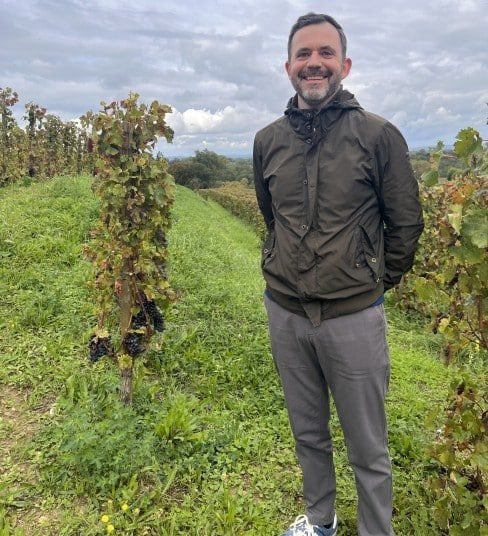
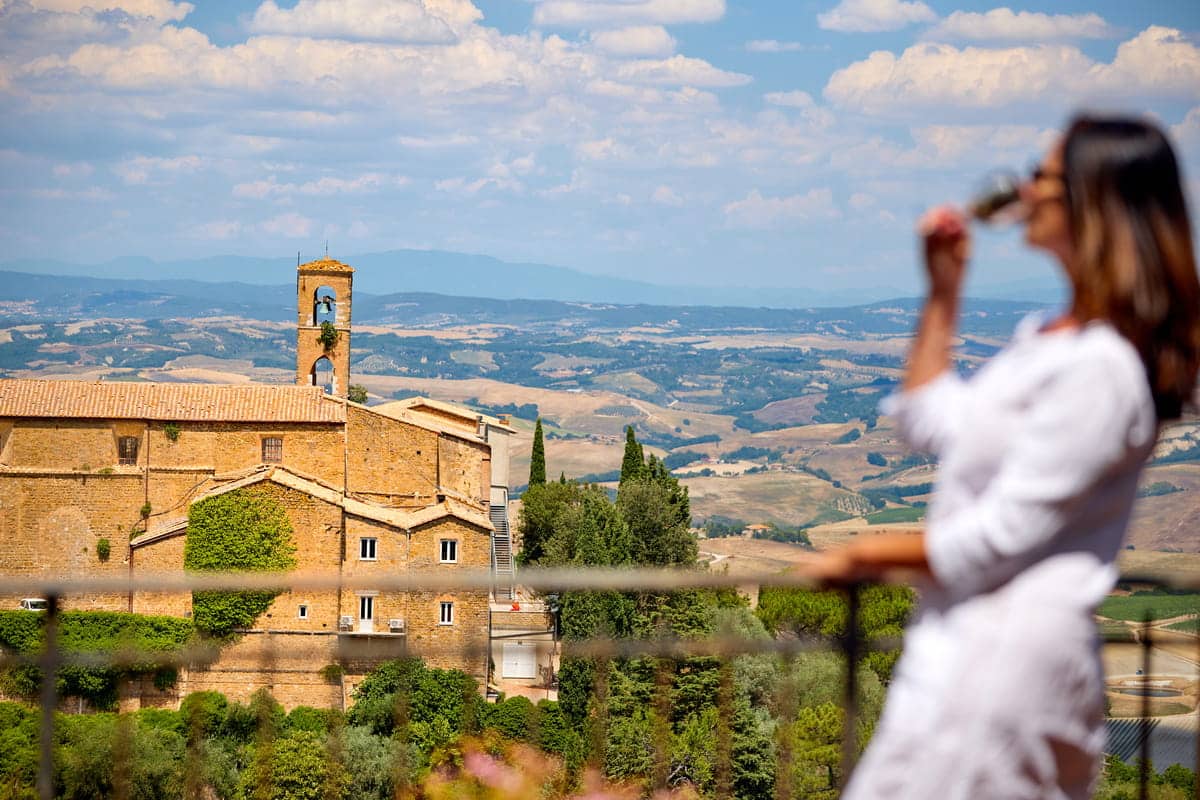
Given its proximity to Florence, many people’s only wine tasting in Tuscany will be in Chianti Classico, the historic triangle of vineyards situated roughly between Florence and Siena. But for wine lovers, it pays to get out of Florence, stay in the countryside, and spend several days experiencing the varied traditions that make Tuscany one of Italy’s richest wine regions.
Take, for example, Montalcino in Tuscany’s Val d’Orcia, a little over an hour south of Chianti Classico. Your first taste of a mature Brunello di Montalcino will be a very different sensory experience from, say, tasting Chianti in Greve. There are the familiar red fruit notes in the primary aromas, but where Chianti gives red cherry fruit and herbaceous secondary notes, Brunello gives dark red fruit, leather, baking spices, more structure, and a longer finish. These different expressions of what is more or less the same grape (Sangiovese), are due entirely to differences in local tradition and winemaking regulations.
This sense of place is what consistently draws wine travelers to Tuscany. It is also where many trips fall short. Tuscany’s wine landscape is vast and complex, with 50+ appellations, multiple distinct growing zones, and one dominant grape, Sangiovese, that expresses itself differently from one hillside to the next. Without understanding that complexity, many visitors default to a half-day Chianti tour from Florence and experience only a narrow version of what Tuscany has to offer.
This guide approaches Tuscany the way we think it should be explored. We break the region down into its key zones, explaining why Sangiovese produces such varied wines across them, and outlining what a well-designed private wine tasting experience in Tuscany actually looks like. From fruity and herbaceous Chianti Classico, to the structured elegance of Brunello di Montalcino, to the Maremma’s coastal influence on Super Tuscan blends, the goal is simple: to help you experience Tuscany wines in depth, not in passing.
Why Tuscany Is One of Italy’s Most Important Wine Regions
Tuscany is home to 50+ recognized wine appellations, representing one of the most diverse and highly regulated wine landscapes in Europe. Etruscan settlers were already cultivating vines in central Italy’s hills in the 8th century BC. The wines that trade today under appellations like Brunello and Sassicaia are the modern expression of one of the oldest unbroken winemaking traditions on earth.
For intelligent travelers, what sets Tuscany apart is an old winemaking tradition, continuously renewed by passion. Roughly 38% of Tuscan vineyards are now certified organic, far ahead of broader European sustainability trends. The top estates are still family-run, deliberately small, and obsessively focused on the expression of place. When you’re invited into a cellar here, you’re not visiting a brand; you’re stepping into several generations of one family’s relationship with a specific patch of land.
This distinction is also why Tuscany rewards a slower, more intentional approach to travel, where time, access, and context shape the experience more than the number of wineries visited.
The Grape That Defines Tuscany: Sangiovese Explained for Wine Travelers
Here’s the single most useful fact for understanding Tuscan wine: Sangiovese covers 59% of all Tuscan vineyard area, followed at a distance by Merlot (8%) and Cabernet Sauvignon (6%). One grape is the DNA of Chianti, Chianti Classico, Brunello di Montalcino, Vino Nobile di Montepulciano, Rosso di Montalcino, and Morellino di Scansano.
So why does each wine taste so different? The answer lies in terroir: the combination of soil, elevation, climate, and, in some cases, specific Sangiovese clones. This is what gives each zone its identity.
Chianti vs. Montalcino vs. Montepulciano: How One Grape Becomes Three Wines
- Chianti Classico: Between Florence and Siena, Sangiovese grows on galestro and alberese (flaky, calcium-rich soils) at elevations of roughly 250 to 500 meters. The wines are medium-bodied and structured, with bright cherry fruit, dried herbs, and firm tannins. Built to be drunk with food and to age beautifully over a decade or two. Blending is allowed.
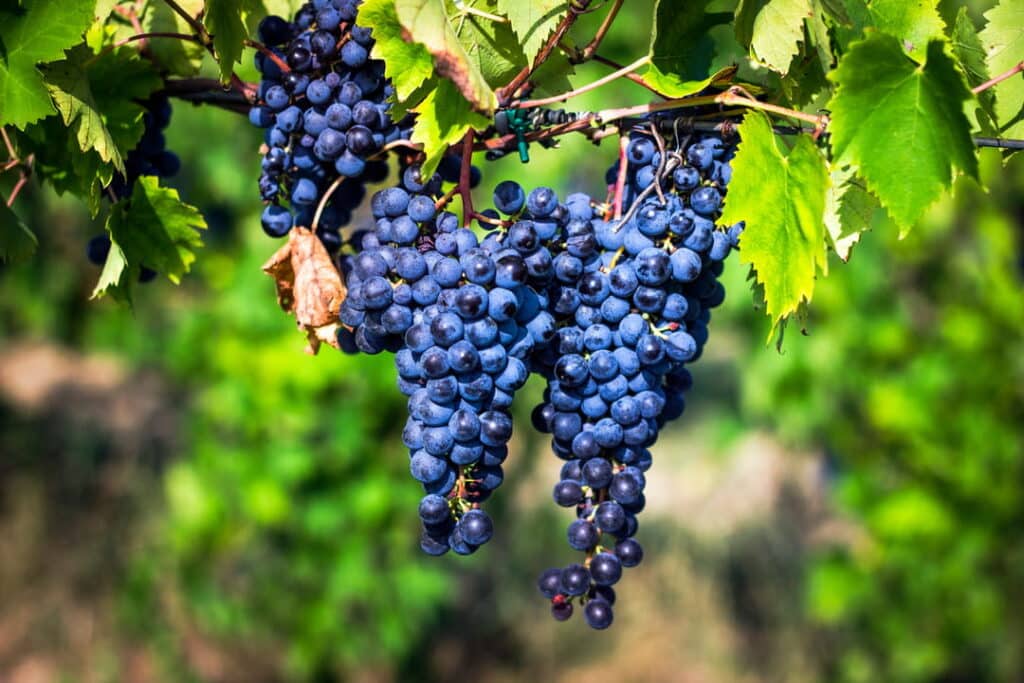
- Montalcino: An hour south, producers use a thicker-skinned local clone called Sangiovese Grosso (locally known as Brunello, “the little dark one”), planted on clay, limestone, and volcanic soils at warmer exposures. The result is a wine with more power, deeper color, riper fruit, and tannic structure that rewards 15 to 30 years of cellaring. By law, Brunello di Montalcino must be 100% Sangiovese Grosso and aged a minimum of five years, with at least two in oak.
- Montepulciano: A short drive east of Montalcino, the same grape (called Prugnolo Gentile locally) grows on different soils again and produces Vino Nobile di Montepulciano, silkier and more refined, sitting somewhere between the structure of Brunello and the freshness of Chianti.
The grape is the same (basically), but its expression changes with place. Variations in soil, topography, and vinification make Tuscan wines uniquely rewarding to experience over several days across multiple regions, rather than through a single tasting.
The two regions travelers most often weigh against each other are Chianti and Montalcino — we break the choice down in our guide to Chianti Classico vs. Brunello di Montalcino.
Tuscany’s Wine Zones: A Taster’s Guide on Where to Go
Tuscany is not a single wine region. It is a collection of distinct zones, each with its own character, access rules, and ideal kind of traveler. Understanding the differences before you go is key to creating your ideal Tuscany wine tour.
Chianti Classico — The Heart of Sangiovese
Between Florence and Siena lies the historic core of Chianti, first defined by the Grand Duke of Tuscany in 1716, three centuries before most of the world’s wine appellations existed. This is Chianti Classico, marked by the Black Rooster (Gallo Nero) seal on every bottle, and it should not be confused with the broader and less strictly regulated “Chianti” designation.
What defines Chianti Classico:
- The villages worth knowing: Greve, Panzano, Radda, Gaiole, and Castellina, each producing its own micro-expression of Sangiovese
- The tasting strategy: Visit two estates from contrasting villages back-to-back to feel how dramatically terroir shifts within just a few kilometers
- The top tier: Gran Selezione, introduced in 2014, represents the most site-specific, single-vineyard wines, the region’s most ambitious case for parity with the world’s great reds
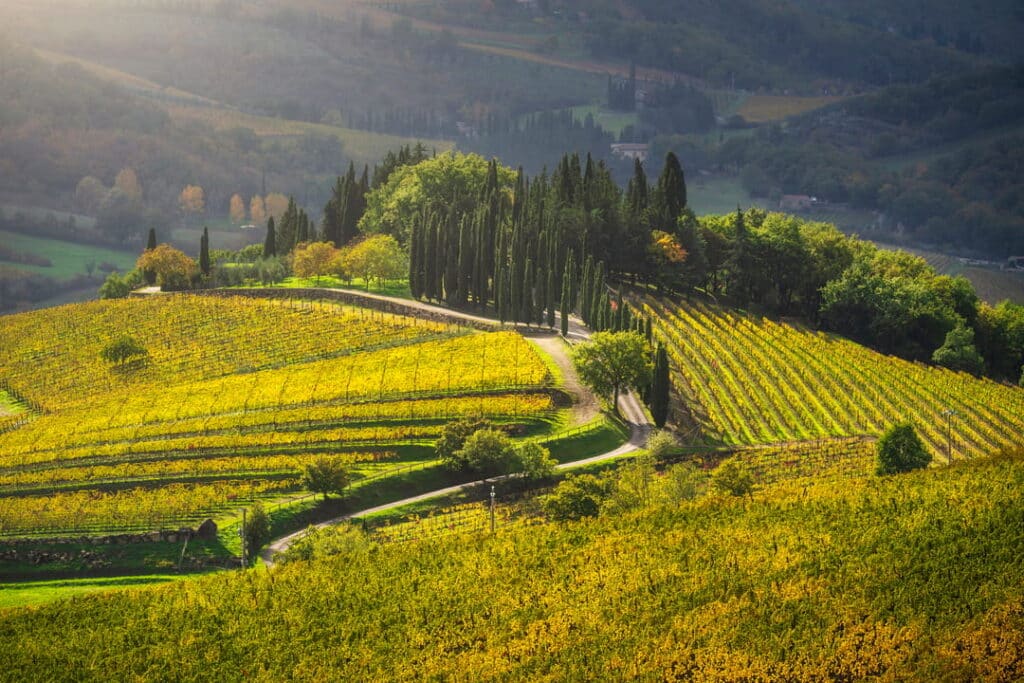
- The landscape: Rolling cypress-lined countryside, the iconic Tuscany of every postcard
Visitor access: The most accessible of Tuscany’s wine zones. Many estates welcome advance bookings, but walk-ins are also possible.
Best for: First-time Tuscany visitors with limited time to travel much beyond Florence.
Montalcino — The Home of Brunello
If Chianti Classico is the soul of Tuscan wine, Montalcino is its cathedral. The medieval hilltop town sits above the UNESCO-listed landscapes in the Val d’Orcia, surrounded by the vineyards that produce one of Italy’s most age-worthy and revered red wines: Brunello di Montalcino.
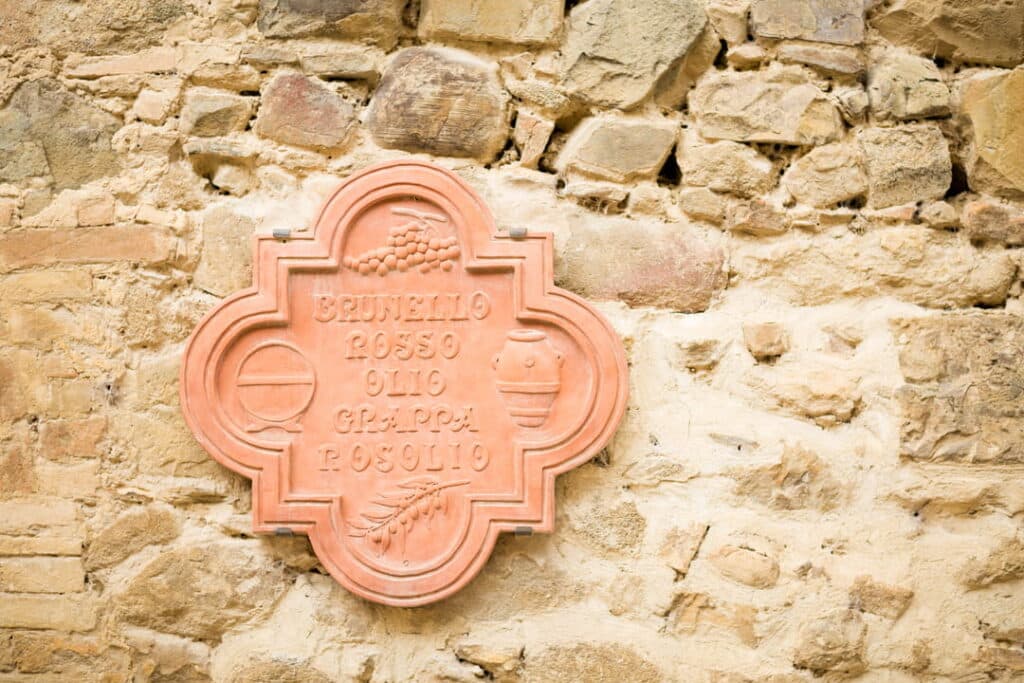
What defines Montalcino:
- The wine that changed Italy: Brunello played a defining role in establishing the global reputation of Italian fine wine. The category was effectively invented in the 19th century by the Biondi-Santi family, whose 1888 vintage is still referenced as one of the earliest age-worthy Italian wines
- The tasting style: Slower, more focused on vintage variation and aging potential than anywhere else in Tuscany
- The signature experience: A vertical tasting; the same wine across multiple years, side by side, so you can taste how Brunello evolves in bottle over a decade or more
- The accessible alternative: Rosso di Montalcino, Brunello’s younger sibling, made from the same vineyards but aged less, offering the terroir at a more approachable age and price
Visitor access: Most top estates (Biondi-Santi, Casanova di Neri, Poggio di Sotto, Soldera) require appointments. Advanced booking is essential.
Best for: Serious wine collectors, milestone anniversary travelers, anyone who has already done Chianti and wants to go deeper.
Montepulciano — The Elegant Middle Ground
A short drive east of Montalcino, the Renaissance hilltop town of Montepulciano produces Vino Nobile di Montepulciano, historically one of the first Italian wines ever to be granted DOCG status, and arguably the most underrated of Tuscany’s great Sangiovese expressions.
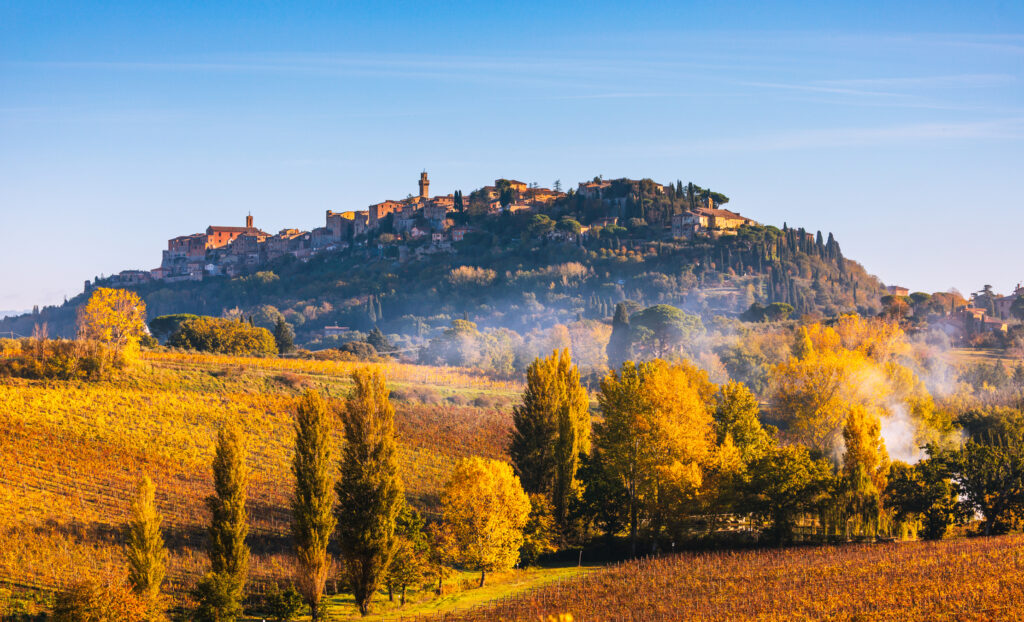
What defines Montepulciano:
- The style: Silkier than Chianti and more approachable than Brunello, built around the Prugnolo Gentile clone of Sangiovese grown on a mix of clay and sandy soils
- The town: One of the most beautiful in Italy, with narrow medieval streets, Renaissance palazzi, and panoramic Val di Chiana views in every direction
- The dual appeal: A rare wine destination where the cultural and architectural experience genuinely rivals what’s in the glass
- The pairing logic: Vino Nobile pairs beautifully with the long, slow Tuscan lunches the region is built around
Visitor access: Generally easier than Montalcino, with several historic estates offering private tastings and family-led tours.
Best for: Travelers who want to combine serious wine with serious art, architecture, and unhurried Tuscan meals.
Bolgheri — Where Super Tuscans Were Born
The most revolutionary place in Italian wine is a stretch of coast about two hours west of Florence. Drive down the famous Viale dei Cipressi, the five-kilometer cypress avenue immortalized by the poet Giosuè Carducci, and you arrive in Bolgheri, the birthplace of the Super Tuscan movement.
The story worth knowing: In the 1940s, Marchese Mario Incisa della Rocchetta planted Cabernet Sauvignon on his Tenuta San Guido estate, on a hunch that the maritime terroir of the Tuscan coast could produce a wine in the style of Bordeaux. At the time, Italian wine law classified it only as Vino da Tavola, as Cabernet was not permitted in local appellations. He bottled it anyway. It became Sassicaia, and by the 1970s, when wine critics began ranking it alongside the First Growths of Bordeaux, the entire framework of Italian wine law had to be rewritten to accommodate it.
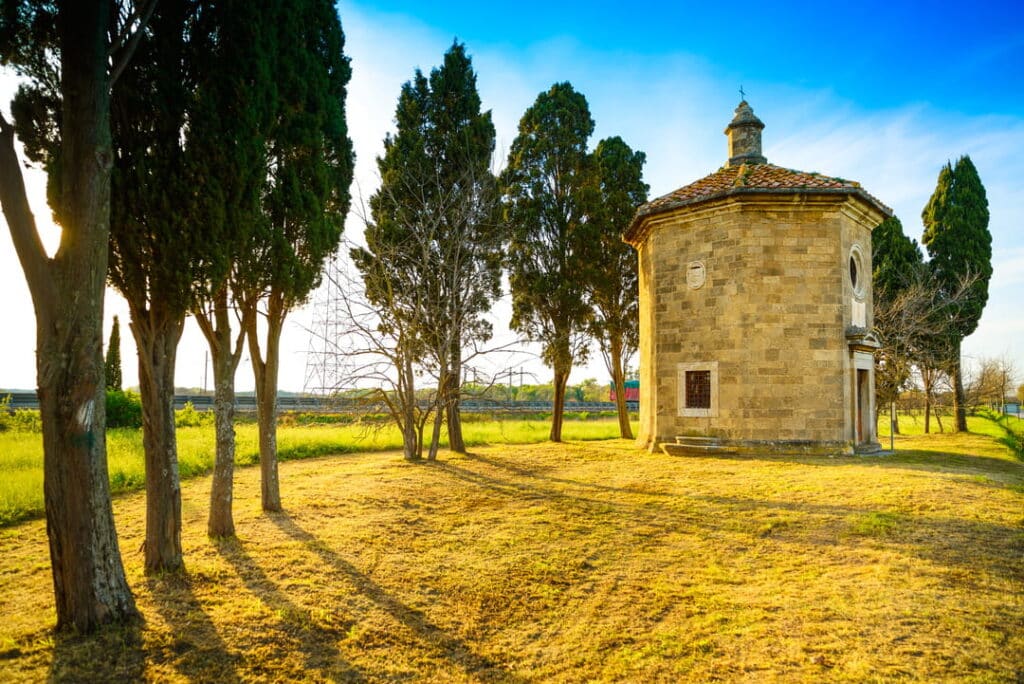
What defines Bolgheri today:
- The icons: Sassicaia, Ornellaia, Masseto, Guado al Tasso; wines that consistently rank among the most coveted (and expensive) in the world
- The blend: High-end Tuscan wines that break with tradition, often blending Sangiovese with Cabernet Sauvignon, Merlot, or Cabernet Franc
- The terroir: Maritime breezes, sandy and clay soils, Mediterranean light, closer in feel to coastal Bordeaux than to the inland Tuscan hills
- The selectivity: Top estates are notoriously protective of who they receive; a private introduction is the only reliable way in
Visitor access: Strictly appointment-only. This is the zone where private access through a trusted operator is not a luxury but the only way in.
Best for: Connoisseurs and serious collectors.
Our Tuscany wine tour includes Bolgheri — with access arranged privately, well in advance.
San Gimignano — Tuscany’s White Wine Exception
Tuscany is overwhelmingly a red wine region, but the medieval skyline of San Gimignano, with its famous stone towers, is surrounded by vineyards producing one of Italy’s most historic whites: Vernaccia di San Gimignano, the first wine in Italy ever to receive DOC status (in 1966) and later elevated to DOCG.
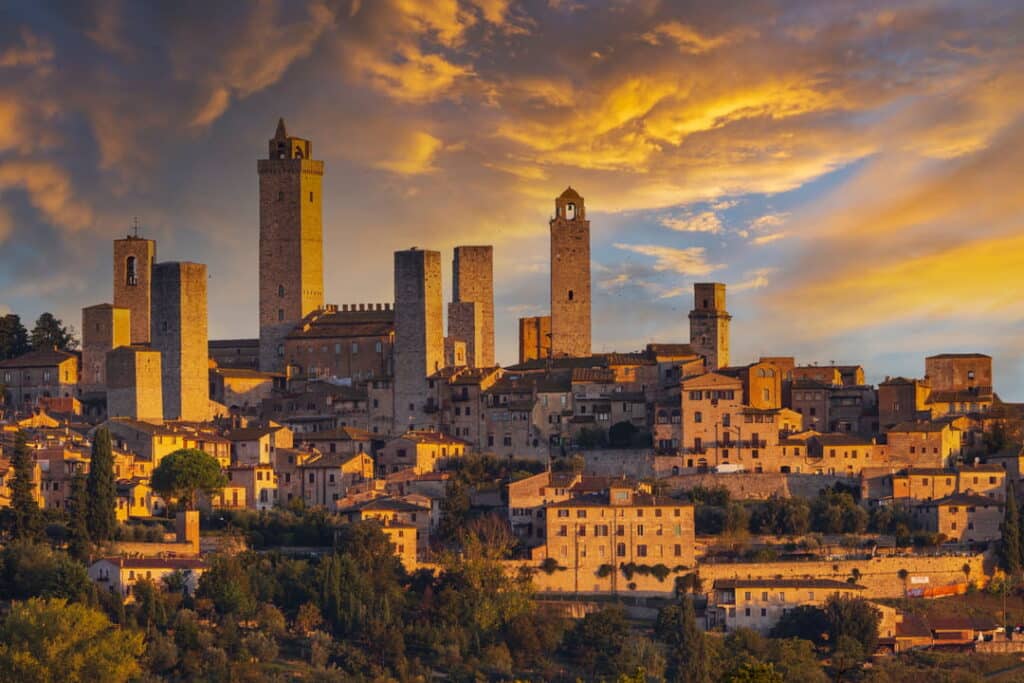
What defines San Gimignano:
- The wine: Golden-hued, mineral, with a bitter-almond finish that pairs effortlessly with Tuscan seafood and antipasti
- The role on a wine itinerary: A palate refresher between days of Sangiovese-focused tastings
- The town itself: Often called “the medieval Manhattan” for its skyline of stone towers, it is definitely a worthwhile cultural stop in its own right
- The pairing logic: Try Vernaccia with local pecorino, fresh pasta, or coastal Tuscan fish dishes
Visitor access: High. Most producers welcome direct visits.
Best for: A half-day pause between red wine zones, especially in warm weather.
Maremma — The New Frontier
In the southern coastal stretch of Tuscany, the Maremma is the region’s best kept secret. Long considered too rustic for serious wine, it has emerged over the last twenty years as an exciting frontier for both Sangiovese (under the Morellino di Scansano DOCG) and Vermentino, the Mediterranean white grape that thrives in coastal climates.
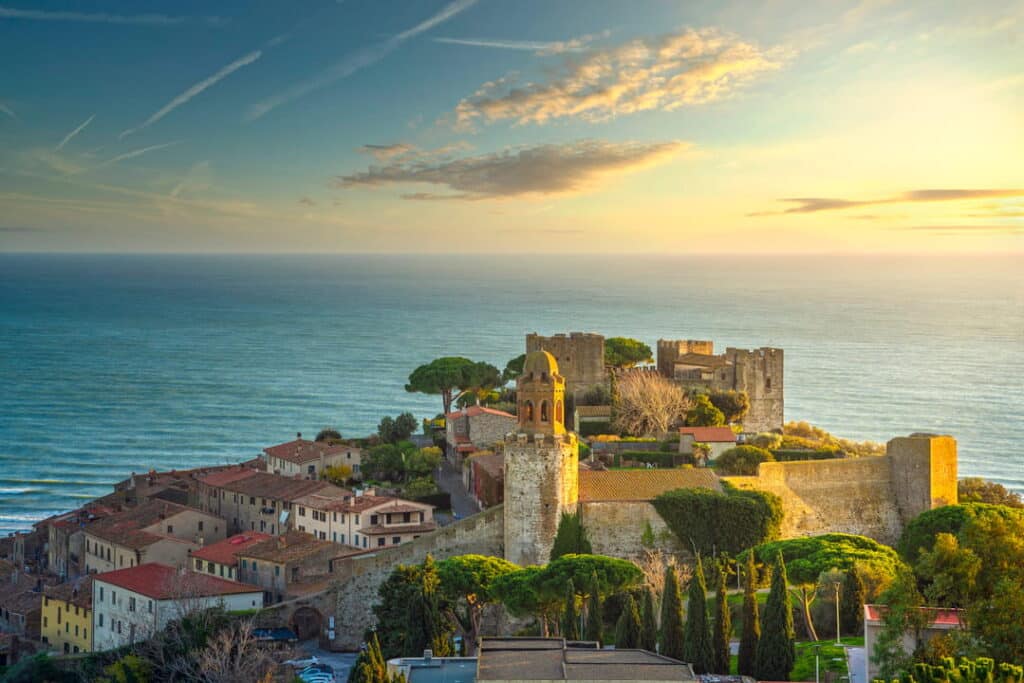
What defines Maremma:
- The character: Less formal than Tuscany’s better-known regions, which is exactly what gives it its appeal
- The estates: Working farms rather than showpiece destinations, where the family pouring your wine likely also runs the kitchen
- The cuisine: Wilder and more game-driven than the rest of Tuscany; wild boar, hare, and Maremma’s grass-fed beef
- The landscape: Closer to the Tuscany of two generations ago, before tourism reshaped the more famous zones
Visitor access: High. Reservations are still recommended, but the relaxed atmosphere makes spontaneous discoveries possible.
Best for: Repeat visitors, value-driven wine lovers, and travelers who prefer landscape and authenticity over prestige.
The Six Tuscany Wine Regions at a Glance
| Wine Zone | Signature Wine | Primary Grape | Style in the Glass | Visitor Access | Best For |
|---|---|---|---|---|---|
| Chianti Classico | Chianti Classico DOCG | Sangiovese (80%+) | Medium body, cherry, herb, firm structure | High — many open-visit estates | First-time Tuscany visitors |
| Montalcino | Brunello di Montalcino DOCG | Sangiovese Grosso (100%) | Full body, earth, leather, built to age | Medium — advance booking needed | Serious wine collectors |
| Montepulciano | Vino Nobile DOCG | Prugnolo Gentile (Sangiovese) | Silky, elegant, approachable | Medium-High | Culture + wine travelers |
| Bolgheri | Bolgheri Superiore DOC / Super Tuscan | Cabernet, Merlot, Sangiovese blends | Bold, Bordeaux-style, maritime | Low — appointment only | Connoisseurs, private tours |
| San Gimignano | Vernaccia di San Gimignano DOCG | Vernaccia | Crisp white, mineral, golden | High | Palate reset, day-trippers |
| Maremma | Morellino di Scansano DOCG | Sangiovese (Morellino) & Vermentino | Approachable, fruit-forward reds & dry mineral whites | High — undiscovered | Value seekers, repeat visitors |
How Private Wine Tastings Work in Tuscany
Tuscany is not Napa Valley. While some estates, particularly in Chianti Classico, offer walk-in tastings, many of the producers that wine travelers want to visit operate on a different model: one built around appointments, relationships, and a more private approach to hospitality.
The two access tiers:
- Open-visit estates: Common in Chianti Classico and parts of Montepulciano. These producers welcome direct bookings through their websites, often with same-week availability, and offer structured tastings of 3 to 6 wines paired with olive oil or light bites.
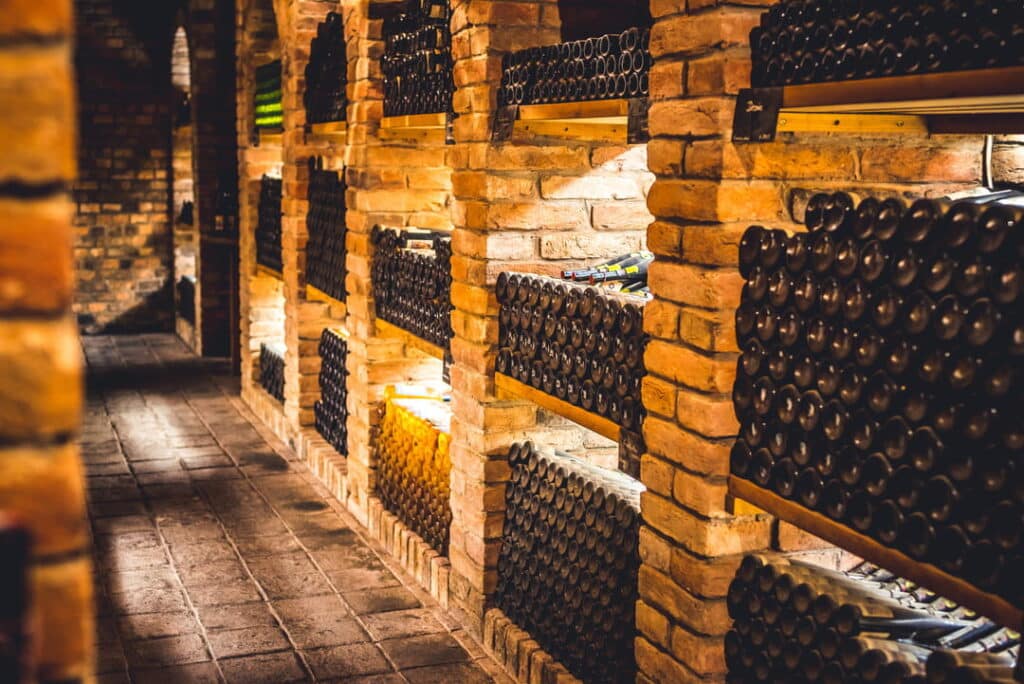
- Appointment-only estates: The norm in Bolgheri, top-tier Montalcino, and the most coveted Chianti Classico Gran Selezione producers. These wineries often do not offer public booking pages. Access happens through wine merchants, import partners, or trusted private tour operators who maintain year-round relationships with the estate.
What a properly designed private tasting day actually looks like:
- Two estates maximum, rarely more than two. Depth over volume.
- A vineyard walk with the winemaker or estate manager, rather than standard hospitality staff
- Cellar and barrel room access, the parts of the estate that the public never sees
- A seated tasting of 5 to 8 wines, often including library vintages or barrel samples
- A long lunch paired with the wines, prepared on the estate or at a chef-led restaurant nearby
- A private driver throughout, no need for a rental car or navigation, and complete freedom to taste without constraint
This is what defines a luxury wine tour: not winery hopping, but the best of wine, in great company, with the logistics handled invisibly so you can be fully present in the moment.
The Best Time to Visit Tuscany for Wine Tasting
Tuscany is a year-round destination, but for wine travelers, there’s a clear hierarchy of seasons. The right window depends on what kind of experience you’re after. Are you the type for harvest energy, quiet cellar visits, scenic spring mornings, or unhurried autumn lunches?
September
- Vendemmia (harvest) is in full swing across most of the region
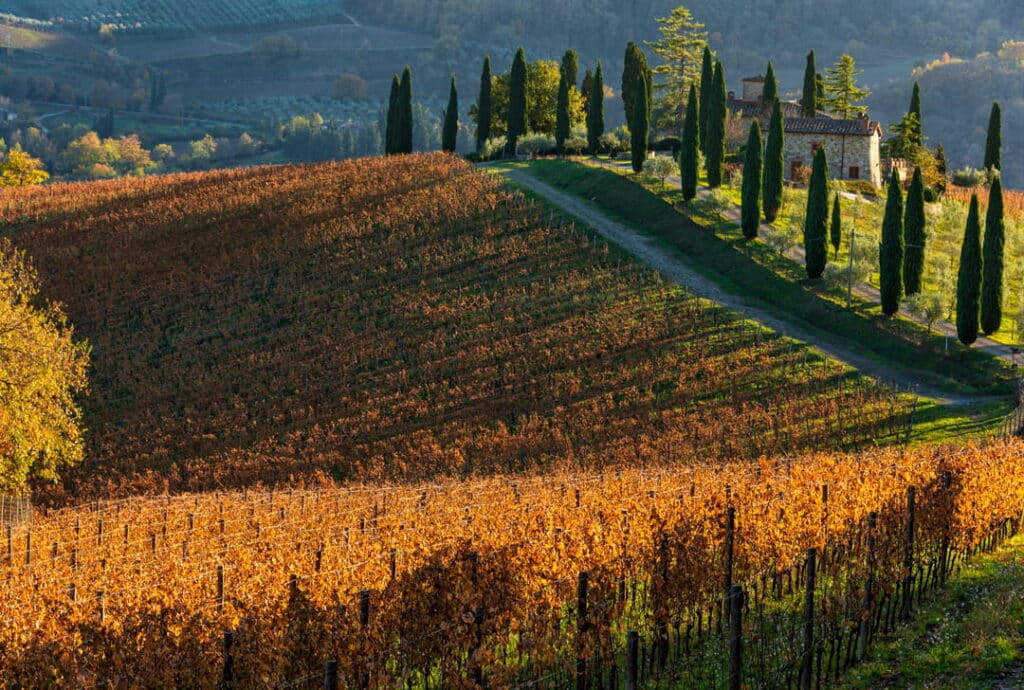
- The countryside is at its most photogenic: golden light, cooling temperatures, vines heavy with fruit
- Winemakers are present and engaged, even if busy
- Restaurants and estates are fully open after the August holiday lull
- Book accommodations and tastings 3 to 6 months ahead, as this is peak demand season
April through June
- Mild temperatures, green hillsides, long daylight hours
- Bud break and early canopy growth; vineyards appear vibrant and newly alive
- Significantly fewer tourists than during the autumn rush
- Easier reservations at top estates and the best restaurants in Florence and Siena
- Ideal for travelers who want the landscape without the harvest crowds
Late October through early November
- The harvest has ended; winemakers are unhurried and reflective
- Truffle season overlaps with the last warm days
- Vertical tastings and private access become easier to arrange
- Cooler weather, occasional rain, but spectacular autumn color in the vineyards
Periods to plan carefully:
- July and August: Hot (30–35°C / 86–95°F), peak crowds in Florence and Siena, and many restaurants and shops close for the August holidays.
- December through February: Many countryside estates close their tasting rooms, though leading producers remain open for appointments and offer a quieter, more personal experience.
Practical Planning: How to Navigate Tuscany Wine Country
Tuscany rewards travelers who plan with intent. The wine zones are too spread out to visit them all in just 2 or 3 days, the back roads are slower than they look on a map, and the best estates require advance coordination. Here’s what to know before you go.
Where to Base Yourself
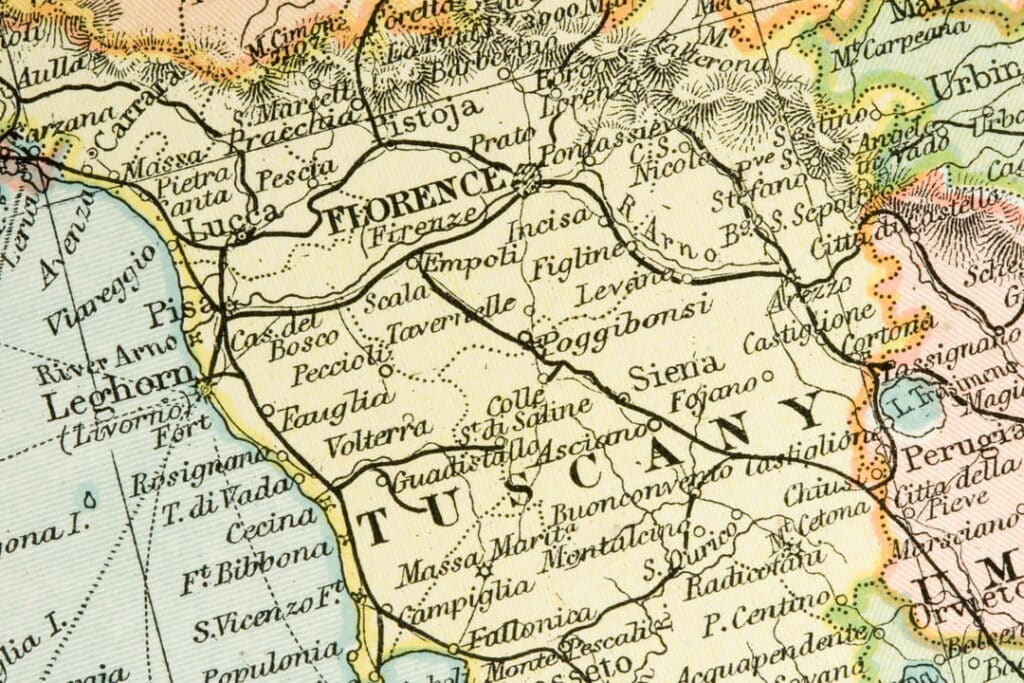
- Florence: Best for travelers combining wine with art, architecture, and city dining. Easy access to Chianti Classico (40 minutes) and reasonable reach to Montalcino (roughly 90 minutes)
- Siena: The most central base for serious wine travel. Excellent access to Chianti Classico, Montalcino, Montepulciano, and the Val d’Orcia, and a magnificent city in its own right
- Montalcino or Val d’Orcia agriturismo: For travelers who want immersion: waking up among the vineyards, dining at the estate, sleeping under Tuscan stars
- Forte dei Marmi or the Bolgheri coast: The right base if Super Tuscans are your priority; it combines coastal luxury with appointment-only estate access
How Long You Actually Need
- 3 days: Minimum for a meaningful experience in two zones (typically Chianti Classico + Montalcino)
- 5–7 days: The ideal length for a comprehensive private journey covering Chianti Classico, Montalcino, and Bolgheri or Montepulciano with proper pacing
- 10+ days: For travelers who want to combine Tuscany with Piedmont, the Italian Riviera, or Rome, a longer Italian itinerary opens up
Getting Around
- A private driver-guide is the standard for serious wine travel: no drinking limits, no navigation worries, and no parking issues at hilltop villages
- Rental cars work for independent travelers visiting open-access Chianti estates, but become a liability for navigating to off-the-beaten path wineries and parking in medieval villages
- Public transport reaches the major cities but rarely the countryside; buses are infrequent and unreliable
Booking Etiquette
- Always reserve in advance: even at “walk-in friendly” estates, calling ahead is the Italian way
- Confirm the best estates weeks or months before your visit, especially during harvest season
- Arrive on time; Italian winemakers are gracious, but their days are busy
- Don’t overbook: quality over quantity. Limit your tastings to two wineries per day. By going slowly, you have time to ask questions and connect more authentically.
Frequently Asked Questions About Wine Tasting in Tuscany
What is the best time of year for wine tasting in Tuscany?
September is the ideal month; vendemmia (harvest) is in full swing, the weather is warm but comfortable, and the countryside is at its most atmospheric. April through June is the best alternative for travelers who prefer fewer crowds, green vineyards, and easier reservations at top estates. Avoid July and August if possible: temperatures climb above 30°C, and many rural estates close for the August holidays.
What is the difference between Chianti and Chianti Classico?
Chianti is a large appellation covering much of central Tuscany. Chianti Classico is the smaller, original, historic zone between Florence and Siena, defined by the Grand Duke of Tuscany in 1716 and producing higher-quality Sangiovese under stricter regulations. Look for the Black Rooster (Gallo Nero) seal on every Chianti Classico bottle; it’s the visual marker of the historic zone and a reliable quality indicator.
What are Super Tuscan wines and why are they famous?
Super Tuscans are wines first created in the 1940s through the 1970s by Tuscan producers who deliberately broke Italian wine law to make world-class wines outside the rigid appellation system. The original Super Tuscan, Sassicaia, was a Cabernet Sauvignon planted on the Bolgheri coast that couldn’t be classified higher than humble Vino da Tavola until critics began ranking it alongside Bordeaux’s First Growths and forced Italian wine law to be rewritten. Today, the most coveted Super Tuscans (Sassicaia, Ornellaia, Masseto, Tignanello) are among the most expensive and acclaimed wines in the world.
How many days do I need for a wine tour in Tuscany?
A minimum of 3 days to experience two wine zones meaningfully (typically Chianti Classico and Montalcino). For a comprehensive private journey covering Chianti Classico, Montalcino, and Bolgheri or Montepulciano with proper pacing, plan for 5 to 7 days, which is the structure for the Oenotated Tuscany private journey in Tuscany.
Can I visit the top Tuscany wineries without a guide?
In Chianti Classico, yes, many estates accept direct online bookings. In Montalcino and Bolgheri, the answer is mostly no. The top producers operate on relationship-based access and rarely accept cold inquiries from individual travelers. A trusted private tour operator with established connections is the only reliable way to access estates like Biondi-Santi, Soldera, Sassicaia, or Ornellaia.
Is Brunello di Montalcino worth visiting?
Yes, without question, if you have any serious interest in wine. Montalcino produces one of Italy’s most age-worthy red wines, the medieval town sits above the UNESCO-listed Val d’Orcia, and a vertical tasting of older Brunello vintages at a heritage estate is one of the defining wine experiences anywhere in Italy. Plan ahead: the top producers are appointment-only, and the best ones are booked weeks in advance.
How much does a wine tasting cost in Tuscany?
Basic tastings at most estates range from €15 to €40 per person. Premium experiences like vertical tastings, library wines, food pairings, or barrel room access typically run €150 or more. A fully curated private wine tasting day with a driver, two estate visits, and a chef-led lunch is priced as a complete experience rather than per-tasting and is usually arranged through a private tour operator.
What is the best wine region in Tuscany for first-time visitors?
Chianti Classico is the most accessible starting point. It’s close to Florence, many estates welcome direct bookings, the wines are approachable yet serious, and the rolling cypress-lined countryside is the iconic Tuscany of every postcard. For a contrasting second day, pair it with a visit to Montalcino, the experience of moving from medium-bodied Chianti Classico to powerful Brunello in 24 hours is the fastest way to understand what makes Tuscan wine extraordinary.
Final Thoughts: Why Tuscany Rewards a Deeper Visit
Tuscany’s charm isn’t found in quick bus tours or souvenir bottles. The real Tuscany moves at a slower pace in the cellars and vineyards that most visitors never see.
It is not one wine region but six distinct zones, each with its own character and traditions. Sangiovese is the common thread, but terroir, elevation, and winemaking practice give it a unique expression in every valley.
The best experiences happen off the bus-tour circuit: private tastings with the families who own the estates, seasonal lunches overlooking the vineyards, and unhurried cellar visits guided by the winemakers themselves.
For travelers who want to taste Brunello in a cellar in Montalcino, walk the Gran Selezione vineyards of Chianti Classico with the people who tend the vines, or enjoy a Sassicaia tasting at a hidden Bolgheri estate, the journey you imagine is the one we design.
Our private Tuscany wine journeys are crafted for curious travelers: small in scale, relaxed in pacing, and centered on access and experiences that make Tuscany unforgettable. Get in touch to start planning yours.


