

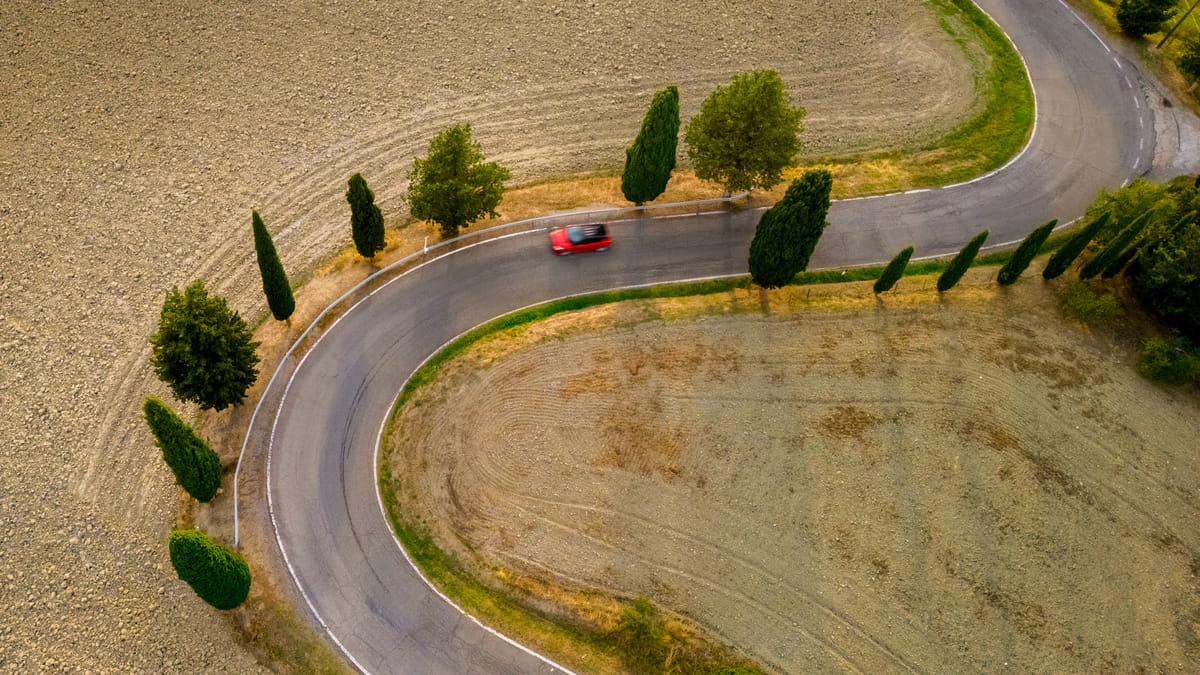
Leaving Florence, heading south along the Chiantigiana (the SR222) as you get your first glimpses of Tuscan vineyards, the confusion starts to arise somewhere around the first cypress-lined driveway leading who knows where.
Where do you go? Do you just Google your way through Chianti? Do you push south to Montalcino?
If you only have one day in Tuscany, it’s a tough call. Winging it is one of the most common mistakes travelers make in Italy. Two of Tuscany’s prestige wine regions, Chianti Classico and Montalcino, are only about 90 kilometers apart, but the medieval villages in Chianti Classico and the Val d’Orcia have distinct vibes, with different wines and tasting experiences to match.
If you have limited time, our Chianti Classico vs. Montalcino guide helps you choose which Tuscany wine region is right for you. Of course, the most rewarding approach is to visit both, and we’ll explain how to do that without compromise.
Tuscany’s Wine Country Explained: One Grape, Many Expressions
Tuscany’s wine producing areas stretch from the Apennines in the north to the Maremma coast in the south, but two regions anchor most wine tasting itineraries. For the full picture across all six of Tuscany’s wine zones, see our complete guide to Tuscany’s wine regions.
Chianti Classico sits between Florence and Siena. It offers multiple villages and sub-zones with varied terroir, located within easy driving distance from both Tuscan cities. Montalcino is about 90 minutes farther south. It’s a single hilltop town surrounded by one of Italy’s most celebrated DOCGs, Brunello di Montalcino.
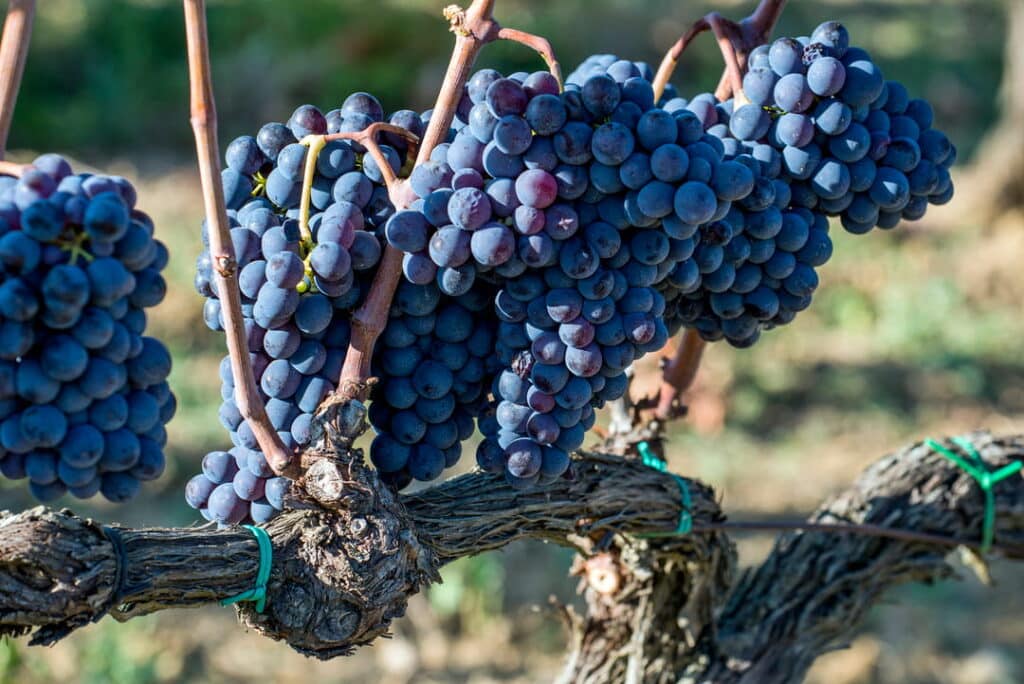
Both grow Sangiovese, Italy’s most important red grape, but they don’t make the same wine, or offer the same wine tourism experience.
- Chianti Classico DOCG: Approximately 7,000 hectares under vine between Florence and Siena. By rule, Sangiovese must make up at least 80% of each blend. Chianti Classico wines display the Gallo Nero (Black Rooster) seal and are tiered from Annata through Riserva to Gran Selezione.
- Brunello di Montalcino DOCG: Approximately 2,100 hectares under vine — roughly 30% the size of Chianti Classico — concentrated around the town of Montalcino in the Val d’Orcia, a UNESCO World Heritage landscape. Blending is not allowed, only 100% Sangiovese Grosso (a clone of Sangiovese with thicker skin locally called “Brunello”) with a five-year minimum aging requirement before release, including at least two years in oak.
The difference between Chianti Classico and Brunello di Montalcino is not just geographical, nor is it only a function of aging requirements. Soil types, elevation, and exposures change, as does the winemaking philosophy. Showcasing these differences is a key design feature of the best Tuscany wine tours.
At a Glance: Chianti Classico DOCG vs. Brunello di Montalcino DOCG
| Factor | Chianti Classico DOCG | Brunello di Montalcino DOCG |
|---|---|---|
| Grape | Sangiovese blends are allowed (min. 80%) | No blending. 100% Sangiovese Grosso (Brunello clone) |
| Planted area | ~7,000 hectares | ~2,100 hectares (~30% the size) |
| Aging — base bottling | 12 months minimum (Annata) | Min. 5 years total, 2 years in oak |
| Aging — Riserva | 24 months | Min. 6 years total, 2 years in oak |
| Aging — top tier | 30 months (Gran Selezione) | Same min. 6 years total (no higher tier) |
| Avg. retail bottle price | $25–50 | $70–80 |
| Tasting fee per estate (2026/27) | $20–60 per person | $50–150+ per person |
| Wineries realistic per day | 2–3 | 1–2 |
| Closest base | Florence or Siena | Montalcino itself or Pienza |
| Landscape | Rolling hills, oak forest, medieval hilltop villages | Scenic Val d’Orcia (UNESCO listed landscape) |
| Best for | Variety, accessibility, multiple tastings | Depth, vertical tastings, in-depth visits |
Chianti Classico: Where Sangiovese Meets Village Life
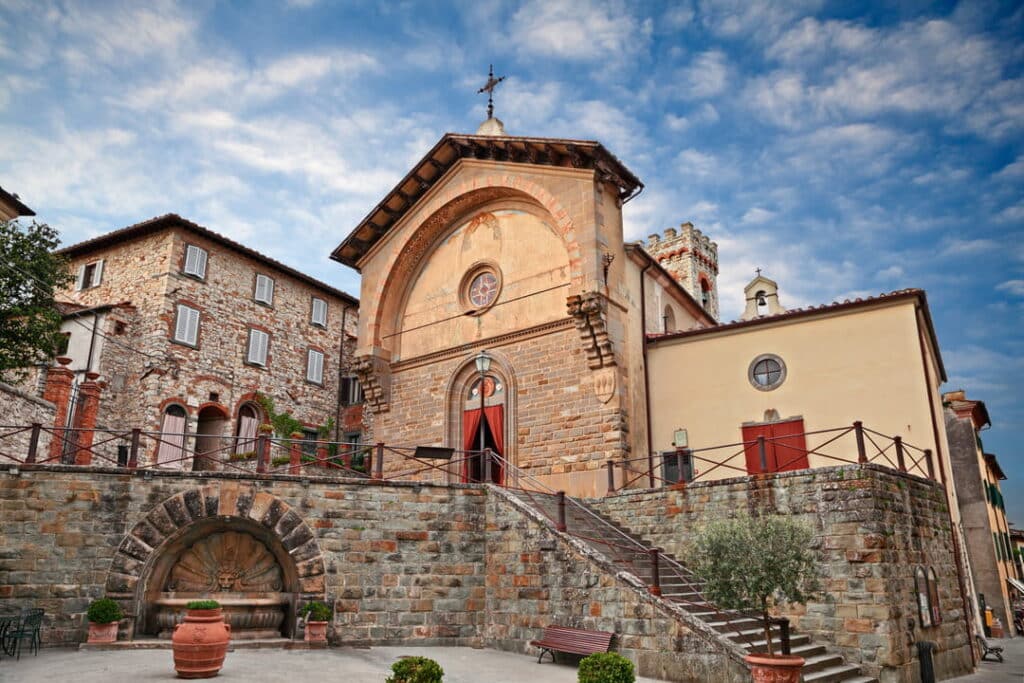
Chianti Classico is the most accessible wine region in Italy. That’s not a backhanded compliment — it’s a structural advantage for wine tourism. Walk-in tasting rooms coexist with appointment-only boutique producers and family estates. Villages are spaced close enough that two or three tastings in a single day is realistic without feeling hurried.
The wines highlight Sangiovese’s brighter, food-friendly face: bright cherry, dried herbs, and a savory mineral finish that makes them easy companions for a long lunch. The tier ladder runs from Annata (the youngest and most fruit-forward) through Riserva (older vines, longer aging, more concentration) to Gran Selezione (single-vineyard vinification, best-barrel selections, 30 months minimum aging).
A VILLAGE-BY-VILLAGE PORTRAIT
- Greve in Chianti. The gateway to Chianti Classico and the most practical for travelers who want a wide range of wineries. The region’s largest village, home to a distinctive triangular piazza and a Saturday market. Several walk-in estates sit within easy reach, and the surrounding hills contain some of the region’s most established producers.
- Radda in Chianti. The highest in elevation of the four villages and arguably the most elegant. Cooler nights here produce more aromatic, lifted Sangiovese. The village itself moves at a quieter pace than Greve, and the estates working at altitude are worth the slightly longer drive from Florence.
- Gaiole in Chianti. The wildest and most forested commune. Some of Chianti’s most historically significant estates sit in this area, producing structured, long-lived wines made for cellaring. The medieval Castello di Brolio, birthplace of the original Chianti recipe in the 19th century, is here.
- Castellina in Chianti. The quietest of the four and arguably the oldest. Etruscan roots, wines with a more tannic backbone, and a village that feels genuinely lived-in rather than curated for visitors. Excellent for travelers who want to avoid the more touristed stops.
→ Chianti Classico accommodates both spontaneity and planning. Walk-ins are possible in Greve, but the most compelling estates still require appointments or a private operator with preferential access.
Best for:
- First-time Tuscany travelers who want variety across villages and styles
- Travelers based in or near Florence who want shorter drive times
- Groups balancing mixed wine preferences among travelers
- Anyone who wants to realistically visit three estates in a single day
Brunello di Montalcino: Italy’s Most Age-Worthy Red
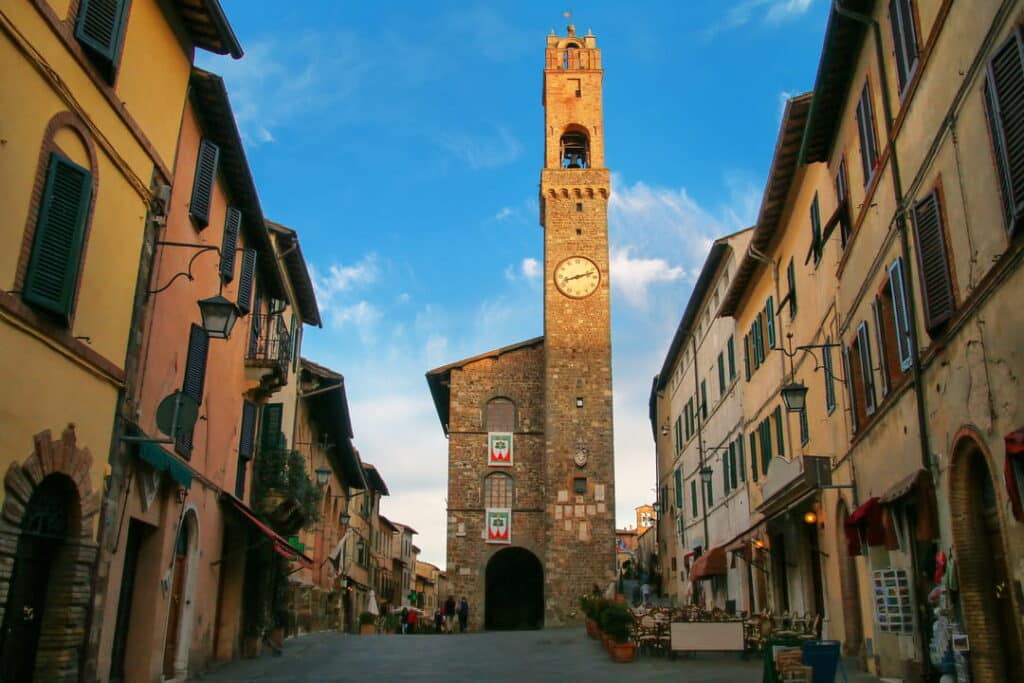
Centered around the eponymous hilltop town. 2,100 hectares under vine. 100% Sangiovese Grosso (no blending allowed). Here, a clone of Sangiovese with slightly thicker skin, known locally as Brunello, ripens more fully in Montalcino’s warmer, sunny exposures and produces tannic, high-acidity red wines that can, and really should, age for at least 10 years, often longer, before drinking.
The minimum five-year aging requirement (including two years in oak barrels) isn’t arbitrary. It shapes everything about how Brunello tastes, how estates operate, and how travelers should approach a visit. Brunello di Montalcino isn’t gluggable. It’s a full bodied red wine made to evolve and improve over decades.
The stunning Val d’Orcia surrounding Montalcino is a UNESCO World Heritage landscape. Visually, it is arguably the most photogenic wine country in the world, with cypress allées, clay hills, and medieval fortresses dotting the horizon.
A practical tip: Rosso di Montalcino is Brunello’s younger sibling. Same producers, same vineyards, shorter aging, roughly half the price. It’s made to be drinkable young, and often serves as the ideal entry point before moving to Brunello during a tasting.
A PORTRAIT OF MONTALCINO AND ITS SUB-ZONES
While Brunello is officially one appellation, producers and collectors often refer to a handful of informal sub-zones that consistently produce distinct styles.
- Montalcino itself. The fortified hilltop town. The fortress walls, the trattorias, and the enoteca where you can taste dozens of producers in a single afternoon. Montalcino is the easiest anchor for any Brunello-focused itinerary, as orienting yourself to the town before heading out to individual estates makes the sub-zone geography click.
- Montosoli (northern slopes). The cooler, more elegant face of Brunello. North-facing exposures produce wines with brighter acidity, lifted aromatics, and more restrained tannins. If you enjoy Burgundy or the northern Rhône, Montosoli Brunellos will chime with your palate.
- Sant’Angelo in Colle (southern slopes). Richer, riper, more powerful. The warmer south-facing slopes produce the bigger-shouldered Brunellos that cellar for thirty or forty years. Several of the most internationally recognized estates sit in this zone.
- Castelnuovo dell’Abate (eastern slopes). A middle ground — wines that combine structure and elegance rather than expressing one extreme. Home to several smaller, appointment-only producers that Oenotated prioritizes for private visits.
→ Brunello di Montalcino rewards patience and prior arrangement. Most of its important estates do not receive unannounced visitors. Plan private access or work with a wine tour operator who already has it.
Best for:
- True Sangiovese lovers and serious collectors
- Returning Tuscany travelers ready to go deeper into winemaking traditions
- Couples and small parties who value in-depth visits over winery hopping
- Travelers seeking small-production estates that don’t appear on standard itineraries
Chianti Classico vs. Brunello di Montalcino: Side by Side
If you’re still deciding between the two, the comparison below highlights the key differences, first in the wines and overall experience, then in the practical realities of visiting each Tuscan region.
Feature Comparison
| Feature | Chianti Classico | Brunello di Montalcino |
|---|---|---|
| Primary Grape | Sangiovese (min. 80% in blends) | 100% Sangiovese Grosso (Brunello clone) |
| Wine Style | Versatile, food-friendly, approachable | Structured, complex, cellar wines |
| Atmosphere | Rolling vineyards, multiple medieval villages, forested hills | Single hilltop town, Val d’Orcia (UNESCO landscape) |
| Key Villages | Greve, Radda, Gaiole, Castellina | Montalcino + surrounding sub-zones |
| Minimum Aging | 12 months (Annata) | 5 years (2 in oak) |
| Tasting Access | Mix of walk-in and appointment | Appointment-only, more exclusive |
| Food Scene | Village restaurants, agriturismi, winery kitchens | Montalcino restaurants + Pienza nearby |
| Best For | First-timers, variety, mixed groups | Collectors, returning travelers, milestone trips |
Travel Factors
| Travel Factor | Chianti Classico | Brunello di Montalcino |
|---|---|---|
| Day-trippable from Florence | Yes (45–75 min drive) | Not really (almost 2 hrs each way) |
| Walkable village experience | Yes — Greve, Radda, Castellina | Yes — the town of Montalcino |
| Estates take walk-ins | Some, especially in Greve | Rare — appointment only |
| Wineries realistic per day | 2–3 | 1–2 |
| Tasting fee range | $20–60 per person | $50–150+ per person |
| Average bottle to take home | $25–50 | $70–80+ |
| Estimated cost per couple/day* | $250–500 | $400–700 |
| Need a car or driver | Strongly recommended | Essential |
| Food culture highlight | Bistecca, pici, wild boar ragù | Pienza pecorino + bigger reds |
| Best months | May, June, September, October | May, June, September, October |
| Crowd level (peak) | High June to October | Moderate (limits keep it manageable) |
| Photogenic landscape | Rolling vineyards, stone villages, wooded hills | Cinematic — Val d’Orcia, UNESCO World Heritage landscape |
*Per couple/day estimate covers wine tastings, lunch at the estate or village restaurant, and one bottle to take home. Excludes lodging and private driver.
These ranges reflect what most travelers can expect when visiting both regions today. Tasting fees in Chianti Classico vary widely, with simpler walk-in estates in Greve at the lower end charging $20/person and benchmark producers toward the higher range charging around $60/person. In Montalcino, private appointments are the norm, which is why pricing can reach $150/person or more at premium producers.
As a general guideline, a day in Brunello country requires a higher overall budget, not just for the wines themselves, but for the depth of the experience.
If you’re planning a trip and want to experience both regions without compromise, a thoughtfully designed itinerary is key. Explore how we tailor-make your itinerary in our luxury Tuscany food and wine tours.
Which Should You Prioritize?
The answer depends on who you are as a wine traveler and what you’re trying to experience. If you’re in the early stages of thinking through an Italy tour, our guide on how to plan a luxury wine tasting trip covers the broad essentials before you narrow down by region.
Think about it this way:
- “I want to taste Italy’s most age-worthy reds and visit benchmark producers.” → Prioritize Brunello di Montalcino. Focus on estates across Montosoli, Sant’Angelo in Colle, and Castelnuovo dell’Abate. Secure private appointments well in advance.
- “I want variety, multiple villages, and a great food experience close to Florence.” → Prioritize Chianti Classico. Build your visit around Greve, Radda, and Gaiole with a long lunch at a winery or an agriturismo.
- “This is my first time in Tuscany.” → Lean toward Chianti Classico. The variety of wineries is wider, the atmosphere is welcoming, and the logistics from a Florence base are convenient.
- “I’ve visited Chianti before and want to go deeper.” → Brunello di Montalcino. The estates are quieter, the access more private, and the wines more demanding in the best possible sense.
- “I’m in a group with mixed wine preferences; some are serious wine lovers, others not so much.” → Chianti Classico comfortably accommodates both, with markedly different styles available within the same estate’s lineup.
How a Private Full-Day Wine Tour Unfolds in Tuscany
What follows isn’t a full itinerary, but an illustration of rhythm and pacing. Both Chianti Classico and Montalcino reward multiple days. This shows what a single well-designed day looks like within a longer private journey.
A DAY IN CHIANTI CLASSICO
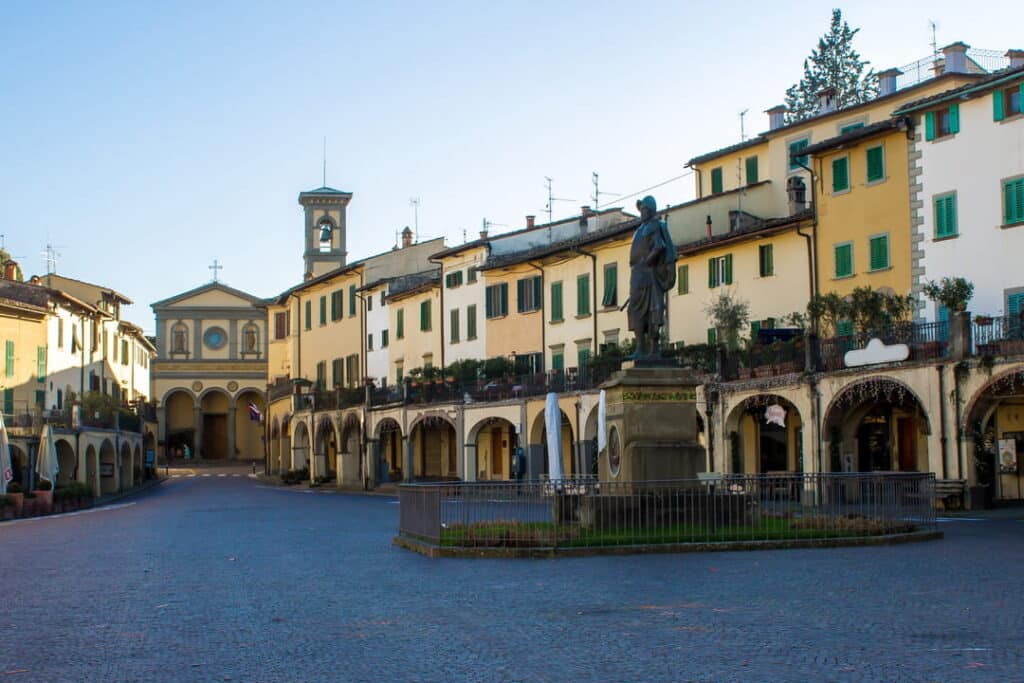
- Morning: Drive south from Florence on the SR222 past Greve. First estate of the day: a vineyard walk, a visit to the vat rooms and cellars, then a tasting across Annata, Riserva, and Gran Selezione as an introduction to Chianti Classico’s classification system.
- Late morning: Transfer to Radda in Chianti for a stop in the village square and a coffee in the piazza. The higher altitude is subtle, but it’s a little cooler, and the rhythm is different: less busy, noticeably less touristed.
- Lunch: A seasonal meal at an agriturismo or village trattoria: bistecca alla Fiorentina, pici with wild boar ragù, local pecorino, paired with more local wines.
- Afternoon: A second visit and tasting at a biodynamic producer near Gaiole. One to two hours, more conversational than structured, ideally ending with a tasting in the vineyards or the cellar, rather than the tasting room.
- Evening: Return to Florence, or overnight in the countryside for the transfer south to Montalcino in the morning.
A DAY IN BRUNELLO DI MONTALCINO
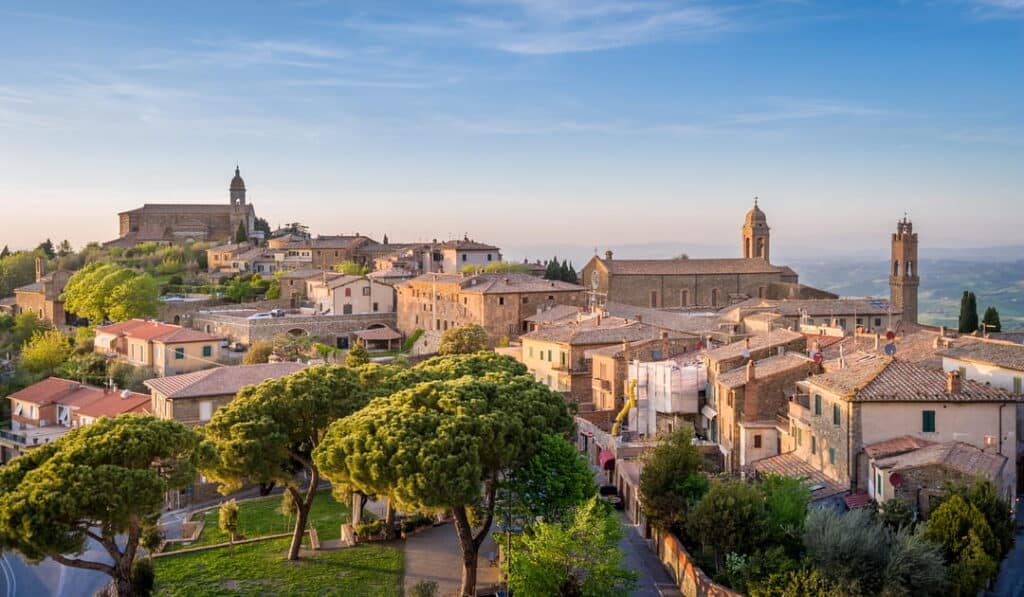
- Morning: Arrive in Montalcino. A brief stop at the fortress to orient yourself to the surrounding slopes. First tasting at a north-facing estate in the Montosoli area, starting with Rosso di Montalcino before moving to Brunello and, if you’ve arranged it, Brunello Riserva from an older vintages.
- Late morning: Drive the southern ring road through Sant’Angelo in Colle. In one panorama, you can see the contrast between north- and south-facing exposures that shape Brunello’s range.
- Lunch. A reserved table in Montalcino itself, or a short drive to Pienza for its DOP pecorino and a quiet trattoria with Val d’Orcia views.
- Afternoon: A second Brunello tasting at an appointment-only, small-scale producer in Castelnuovo dell’Abate. Two to three hours, including a cellar walk through a handful of older vintages.
- Late afternoon: Stroll Montalcino’s city walls as the sun sets across the Val d’Orcia.
→ A single day in either Tuscany appellation is only an introduction. Both reward three days minimum to feel genuinely explored. The most rewarding Tuscany journeys are built around the contrast between Chianti Classico and Montalcino, not a choice between them.
The Ideal Approach: Both Regions, Relaxed Pace
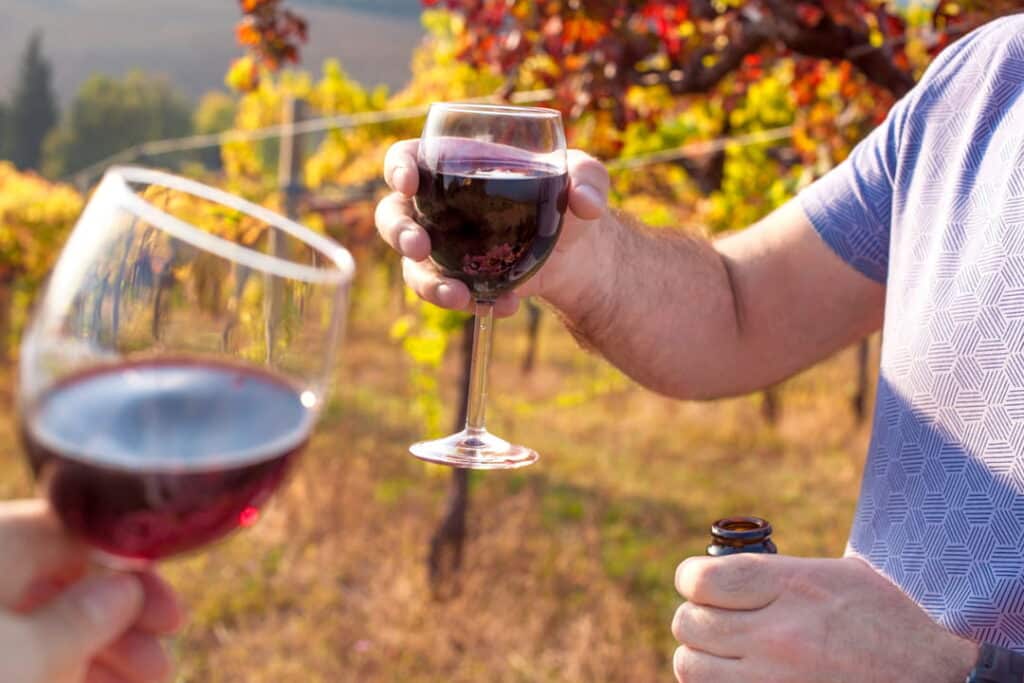
The most common mistake in Tuscany wine travel is rushing. Half a day in Chianti Classico or Brunello di Montalcino is only enough time to make you realize you’ve barely scratched the surface.
The two regions are best understood in juxtaposition. Chianti introduces you to Tuscan Sangiovese and prepares you for Brunello. Brunello then helps orient Chianti Classico within Tuscany’s larger context. Visiting one without the other is a bit like reading only the first and last chapters of a novel.
An ideal itinerary gives each appellation due time: one full day in Chianti Classico, one full day in Montalcino, anchored by a stay in the Val d’Orcia in between. Three days allow for extended private winery visits, long lunches, unhurried village time, and the kind of conversations with winemakers that don’t happen on a tight schedule.
Timing matters too. Our seasonal wine travel guide breaks down the best months for Tuscany and other regions, with May, June, September, and October being the sweet spots for access, weather, and crowd levels.
How Oenotated Travel Designs a Tuscany Experience
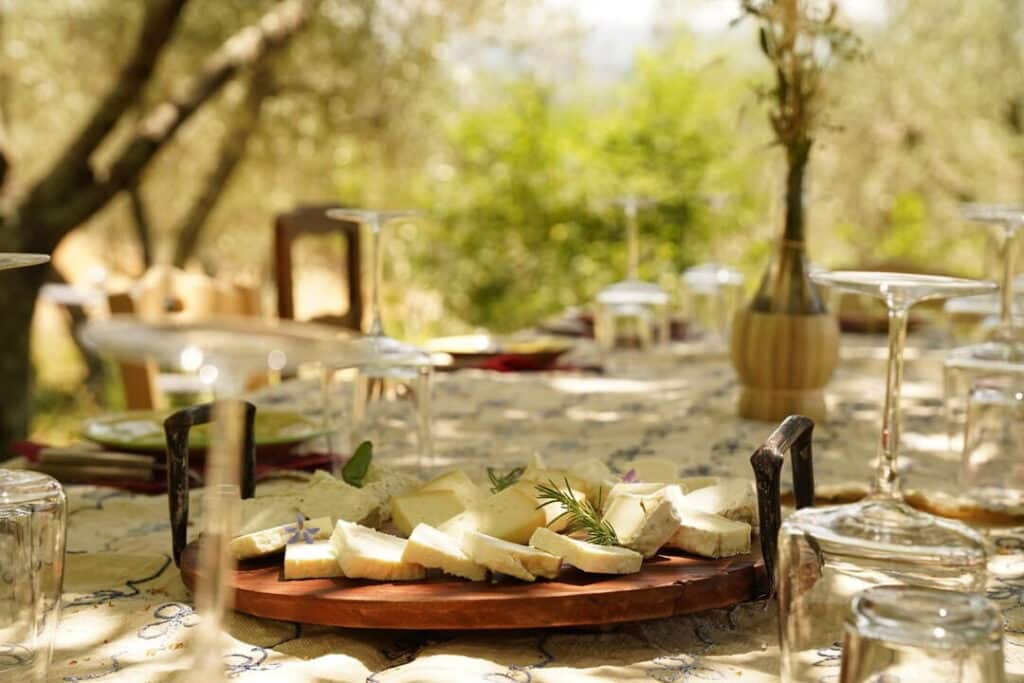
Private access is what takes Tuscany wine travel to the next level. The estates that produce the most interesting wines are seldom open to walk-in visitors. The best itineraries require careful planning and an experienced travel partner with local relationships.
Oenotated’s Tuscany approach is built around four principles:
- Private appointments at small producers in both Chianti Classico and Brunello di Montalcino, including estates that don’t take group visits or appear on standard tour itineraries.
- Balanced pacing across both regions, so that neither is treated as a stopover on the way to the other.
- Culinary discovery with visits and tastings at local food producers, and reserved tables at authentic addresses in Montalcino, Pienza, and the Chianti Classico villages.
- Full customization around your preferences. Sangiovese collector? The itinerary leans into Montalcino’s sub-zones and Chianti Classico Gran Selezione. Casual first-timer Tuscany? Greve, Radda, and a little Brunello.
We don’t add our travelers into group tours or pair you with strangers. We curate private journeys, designed from scratch around your travel dates, your preferences, and what you’re genuinely trying to understand about Tuscany.
Explore our wine tours in Italy for more inspiration, and examples of some of our multi-region Italy itineraries.
Frequently Asked Questions
What is the difference between Chianti Classico and Brunello di Montalcino?
Both regions grow the red wine grape Sangiovese, but they diverge from there. Chianti Classico allows blending, with a minimum of 80% Sangiovese and as little as 12 months aging before release (Annata). Brunello di Montalcino does not allow blending. Winemakers must use 100% Sangiovese Grosso (a local Sangiovese clone dubbed “Brunello”), and requires a minimum of five years aging, at least two of which must be in oak, before releasing the wine for sale. The result is a more complex, structured wine suitable for long cellaring (Consorzio del Vino Brunello di Montalcino).
Is Brunello better than Chianti Classico?
“Better” is subjective. They’re wines for different culinary occasions. Chianti Classico Gran Selezione competes in quality with top Brunellos. From a travel perspective, the question is which region fits in with your overall Tuscany wine tour plans — see the Which Should You Prioritize section above.
Can you visit Chianti and Montalcino on the same day?
Technically, yes, the drive between them is about 90 minutes. In practice, you’ll fit one proper tasting in each region and feel rushed through both. A far better approach is to overnight between them in the Val d’Orcia, or near Siena, treating each as a full day. See the sample full-day Tuscany wine tour structures above for how the pacing actually unfolds.
How much does a Brunello tasting cost compared to a Chianti Classico tasting?
Chianti Classico estate tastings typically run $20 – $60 per person; Brunello di Montalcino runs $60 – $150, with top estates sitting at the top of that range for multi-vintage vertical tastings. Budget $250 – $500 per couple for a full Chianti day and $400 – $700 for a Brunello day, including tastings, lunch, and one souvenir bottle each.
Do I need a car to visit Brunello di Montalcino?
Yes, a car or a private driver. There is no practical public transit to most Montalcino estates, and the distances between sub-zones aren’t walkable. For Chianti Classico, a car is strongly recommended, even though some village-adjacent estates are reachable on foot from Greve. For both regions, a private driver removes the logistics entirely and lets you taste freely.
Plan Your Tuscany Journey Around What You Love
Whether your Tuscany journey begins in Greve or Montalcino ultimately comes down to your level of interest in wine, how much time you have, and how deeply you want to experience Tuscany.
The most rewarding trips don’t force you to choose between Chianti Classico and Brunello di Montalcino. They’re designed to reveal the contrast between them: the shift in landscape, in winemaking methods, and how Sangiovese expresses itself across Tuscany’s varied terroir.
Our Oenotated Luxury Tuscany Food & Wine Tour is a curated private journey through the winemaking traditions and culinary culture of Chianti Classico, Brunello di Montalcino, and the Super Tuscans of the Maremma coast.


