

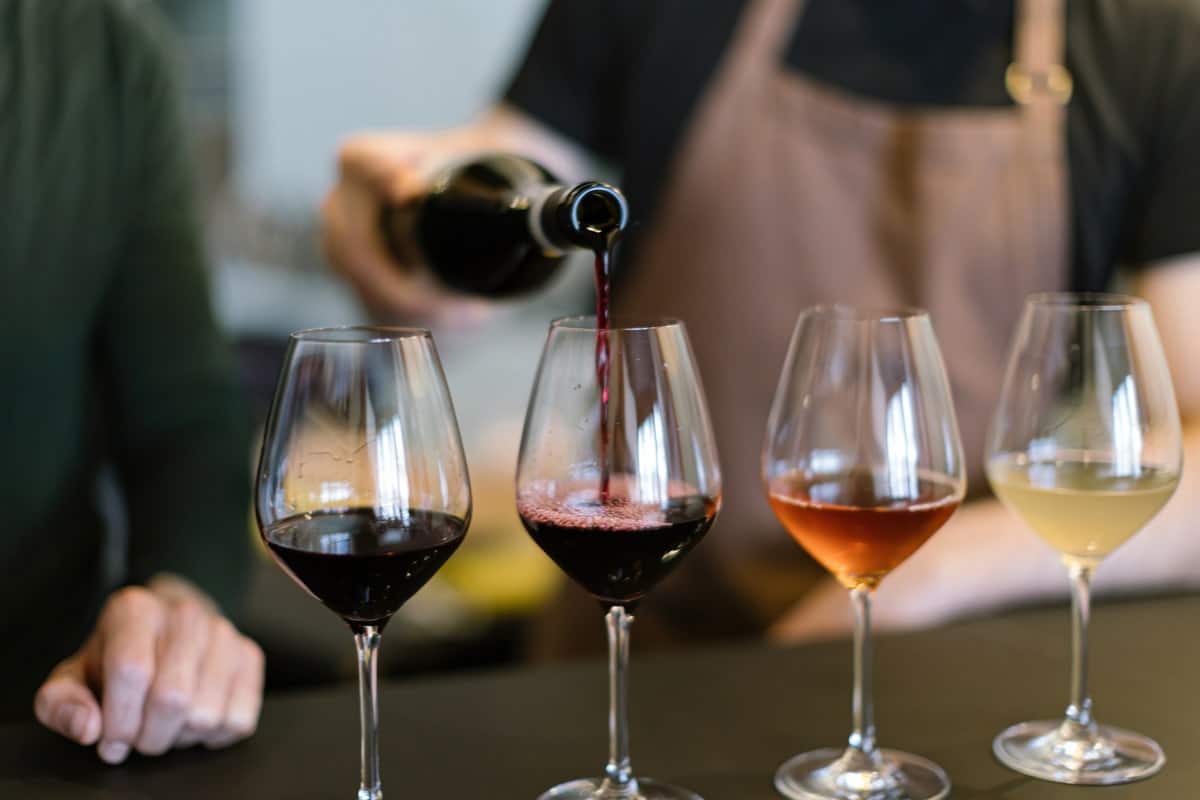
A custom wine tour can be so much more than a series of tastings. It is an invitation to slow down and engage with the place, the people, and the craft behind each bottle. Whether you’re visiting a historic European estate or a trendy New World vineyard, with the right approach to a multi-day wine tour, you can transform a pleasant outing into a deeply memorable experience.
Our wine tour tips are designed to help you travel with intention, taste with understanding, and experience wine country with confidence and ease. Preparation and etiquette, pacing and palate awareness, a thoughtful approach — the right mindset allows you to focus less on logistics and more on the stories, flavors, and moments that make wine travel truly exceptional.
A Wine Tour Is Not Just a Tasting — It’s a Sensory Journey
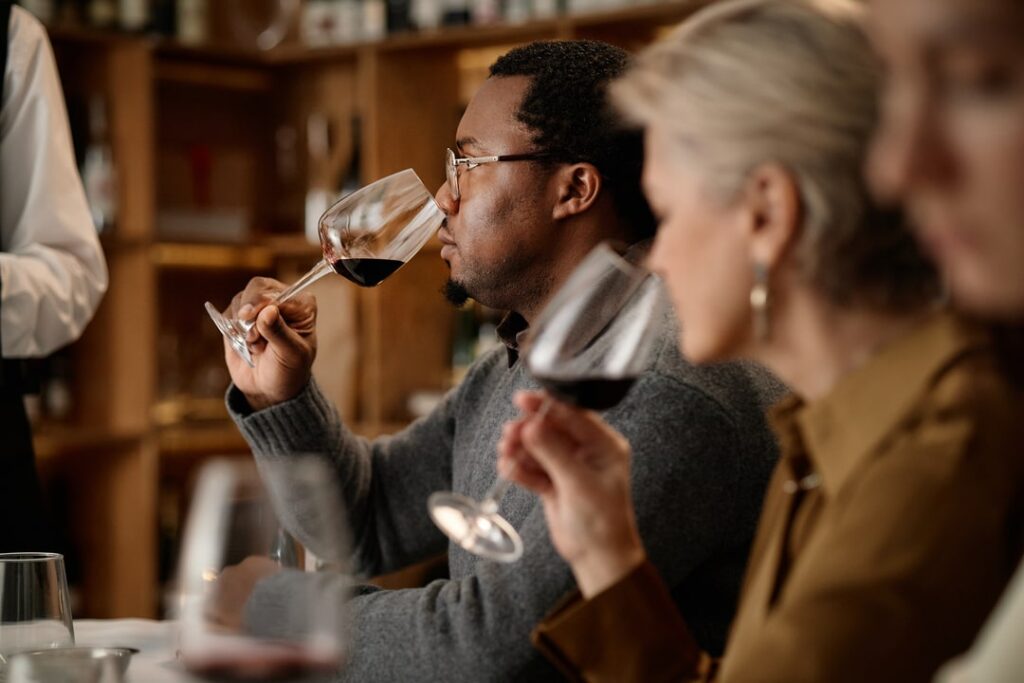
A true wine tour goes far beyond standing in a cellar and sampling a flight. It’s the difference between collecting bottles and understanding why they exist. Curated wine journeys are designed around rhythm and place, how the vineyard feels underfoot, how oak barrels smell in the cellar, how a winemaker explains decisions shaped by decades rather than trends.
Preparation, pacing, and etiquette matter because they shape what you’re able to notice. Arriving informed allows for better questions. Not overdoing it keeps the palate receptive. Respect for the setting opens the door to more meaningful exchanges and often, more generous tastings.
Across both Old World and New World regions, the most rewarding experiences are those that treat wine as culture, not consumption. When visits are thoughtfully planned and guided by expertise, the journey becomes immersive, layered with context, craftsmanship, and human connection that stays with you long after the tour.
The 10 Essential Wine Tour Tips Every Traveler Should Know
A rewarding wine tour doesn’t happen by chance. It’s shaped long before the first glass is poured by the choices you make, the expectations you set, and how intentionally you approach the experience.
Tip #1 – Research Wine Regions and Know What to Expect
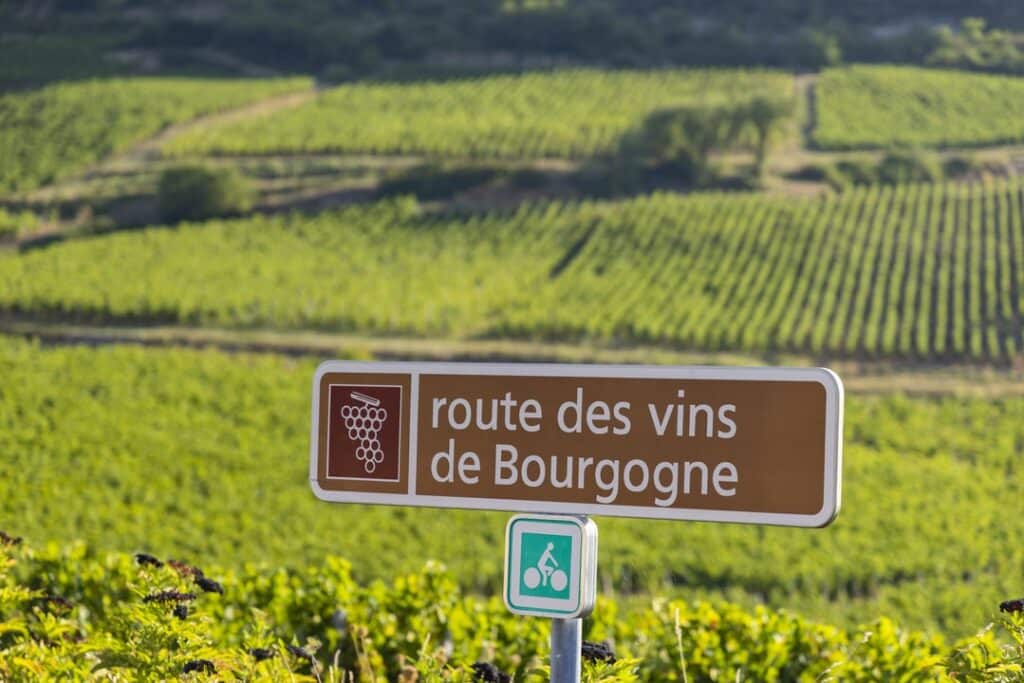
The most memorable wine experiences begin well before you step into a vineyard. Thoughtful preparation ensures your time is spent tasting, learning, and connecting rather than navigating logistics.
Start by confirming tastings in advance, especially with smaller producers where visits are often limited and hosted personally. These appointments tend to offer deeper access: quieter cellars, private tastings, and conversations that go beyond the superficial.
Equally important is choosing the right region for your palate. Whether you gravitate toward structured reds, mineral-driven whites, terroir-focused expressions, or experimental styles, aligning destination with taste transforms the entire journey. Not all wine regions deliver the same experience, and understanding that distinction is key.
Finally, know the difference between touring and tasting. Some wineries focus the bulk of your visit on seeing the vats, tanks, and barrels; others on the wine tasting itself. The most in-depth experiences combine both, offering private visits of the estate’s production, winemaker-hosted tastings, or rare vintages that are simply not available without advance planning.
Tip #2 – Dress for the Cellar, Not the Catwalk
Wine country rewards elegance that’s grounded in reality. Tastings often move between gravel paths, vine rows, cool cellars, and sunlit terraces; all settings where comfort informs confidence.
Choose footwear you can stand and walk in for hours, ideally something polished yet practical for uneven ground. Layers are equally important: underground cellars can be cool year-round, while coastal breezes or mountain vineyards shift temperatures quickly. Neutral or darker tones are timeless and, at the same time, forgiving when a splash inevitably happens.
Just as important is what not to wear. Strong perfume or cologne interferes with aroma perception and distracts you, and possibly others as well, from the wine itself. In tasting rooms, restraint is part of the etiquette.
The goal is to look composed without drawing attention away from the experience; attire that supports the ritual rather than competes with it.
Tip #3 – Eat Well, Hydrate Often, and Pace Yourself
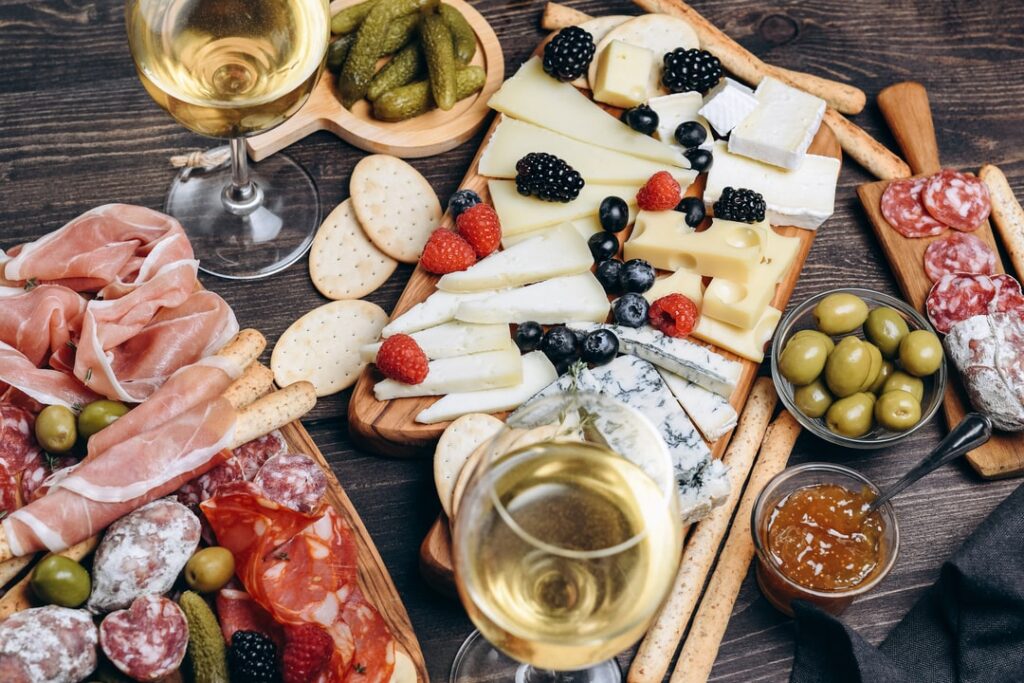
Great wine reveals itself slowly, and so should you. Tasting on an empty stomach dulls judgment and shortens enjoyment, while proper nourishment keeps your palate alert and your energy steady throughout the day. Begin the day with a balanced meal and keep water close. Hydration between tastings isn’t optional; it’s essential.
Light snacks can help reset the palate, but thoughtfully timed, wine-pairing lunches elevate the entire experience. In luxury itineraries, these meals aren’t an afterthought; they’re part of the design. Wine is made to go with food. Long-format tastings paired with local cuisine allow wines to show their full range, while pacing the day ensures each glass receives the attention it deserves.
The key is balance, between indulgence and restraint, between pleasure and clarity, so the last tasting is as memorable as the first.
Tip #4 – Learn the Art of Tasting (See, Swirl, Smell, Sip, Savor)
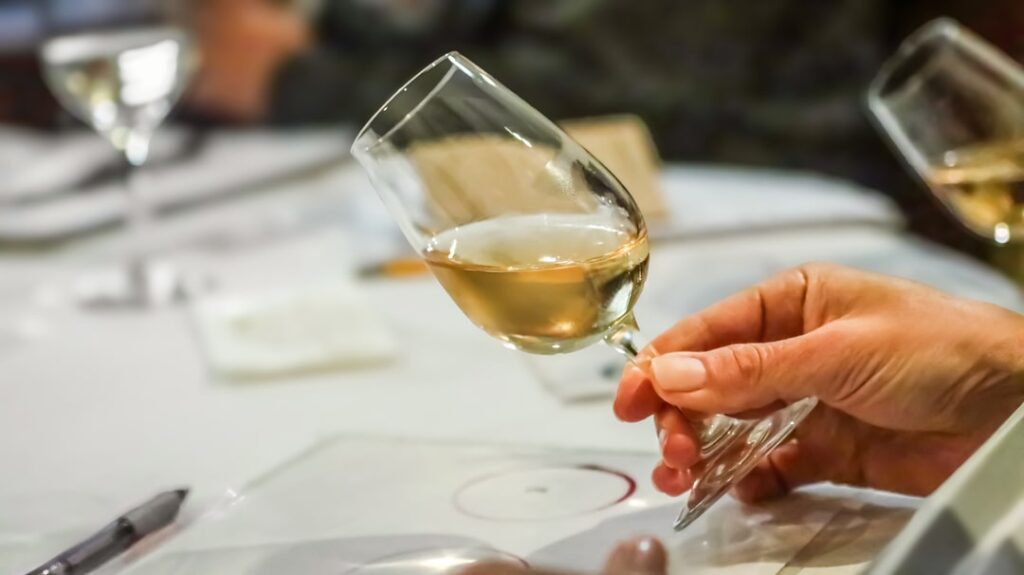
Wine tasting is a dialogue between the glass and your senses. Begin by looking, noting the wine’s color, depth, and clarity, which often hint at age, grape variety, and style. A gentle swirl follows, not for show, but to release aromas that might otherwise remain hidden. Take your time with the nose; much of a wine’s story lives there.
On the palate, focus on structure rather than flavor alone. Notice acidity, tannins, body, and how long the finish lingers once you swallow or spit. Whether you keep notes in a journal or simply file impressions away mentally, this practice sharpens memory and deepens enjoyment. With time, you’ll start connecting what’s in the glass to where it comes from, actually understanding the wine’s label, its traditions, and the philosophy behind it.
Tip #5 – Yes, You Can Spit (And Why Professionals Do)

Spitting during a tasting isn’t impolite or inexperienced; it’s actually professional. When visiting multiple wineries, tasting 5 or 6 wines at each, spitting allows you to stay clear-headed and perceptive of each wine poured. It’s the reason sommeliers can evaluate dozens of wines in a day without dulling their senses.
Use the spittoon calmly and without hesitation; no one is judging. Take a small sip, assess the wine fully, then spit cleanly and move on. This practice preserves your palate and sharpens your perception; it is in no way disrespectful.
Tip #6 – Ask Questions (Winemakers Love Curious Guests)
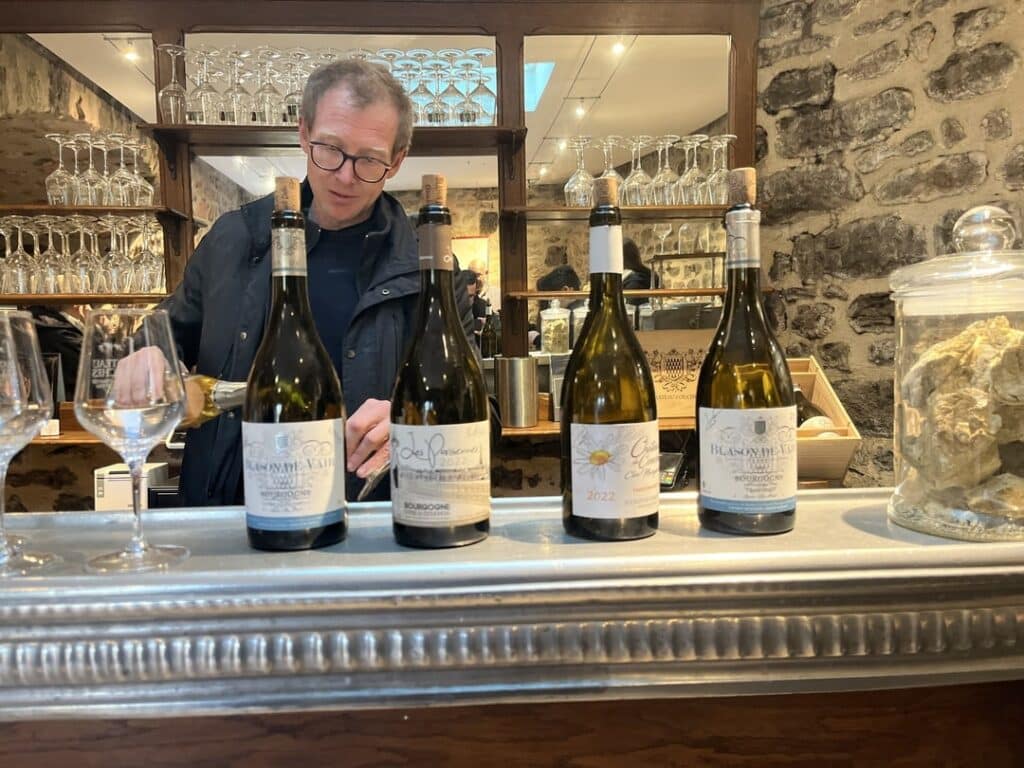
A wine tour becomes memorable when conversation replaces commentary. Thoughtful questions about vineyard practices, how a challenging vintage shaped the wine, or why a particular fermentation or aging choice was made open the door to stories you won’t find on a tasting-notes placard.
In more intimate settings, especially during private visits, these exchanges move beyond rehearsed explanations. You’re invited into the decision-making, the risks taken, and the traditions upheld or challenged. That’s where wine shifts from product to perspective, and where the experience becomes genuinely personal.
Tip #7 – Wine Tour Etiquette: Small Gestures That Matter
- Don’t rush tastings — wine reveals itself gradually; moving too fast dulls both flavor and experience.
- Don’t dominate the host’s time — thoughtful questions are welcome, monopolizing the conversation is not.
- Put phones away during explanations — presence signals respect for both the wine and the people behind it.
- Respect smaller producers — many hosts are the winemakers themselves; your attention and courtesy matter more than you think.
Tip #8 – Tipping on Wine Tours: What’s Expected and What’s Not
Whether, who, and how much to tip are perpetual questions we get a lot.
Do You Tip on a Wine Tour?
Sometimes, yes, but it depends on the type of experience. Luxury private tours usually include some gratuity, while at casual tastings or group tours may leave tipping optional.
Do You Tip Wine Tour Guides?
For private guides, tipping is customary and appreciated. For winery hosts, it’s not generally expected, but leaving a small token of thanks for exceptional service is always welcomed.
How Much Do You Tip a Wine Tour Driver?
For a private driver, a guideline is typically 10 – 15 Euros or Dollars per person, adjusted by service quality and group size. Regional norms vary: in the USA, tipping is more standard, while in Europe, it’s often discretionary.
Tip #9 – Buy Smart (And Get Your Wine Home Safely)
When it comes to packing for a wine tasting trip and taking home your wine treasures, strategy matters. Consider shipping bottles directly from the winery for convenience and safety, or use a wine suitcase or padded carrier if you plan to transport them yourself.
Always check customs and import regulations for your destination to avoid surprises. And remember: fewer, better bottles often make for a more memorable collection than trying to bring everything home.
Tip #10 – Choose Fewer Wineries, Deeper Experiences
When it comes to wine touring, less is more. Visiting two carefully selected wineries per day allows time to savor each tasting, explore the estate, and engage meaningfully with winemakers.
Private itineraries enhance this experience, offering exclusive access such as vintage wines, vertical tastings, and guided vineyard walks. Focusing on depth rather than breadth ensures your journey is memorable, educational, and utterly indulgent.
Tours vs. Tastings – Why Private Wine Tours Change Everything
Not all wine experiences are created equal. Group tastings often follow fixed schedules, offering a uniform experience ideal for sampling a region quickly, yet limited in personalization. In contrast, private visits allow flexible pacing, letting you linger over top vintage wines, explore the vineyards at leisure, and ask questions that reveal the estate’s unique story. Family-owned estates and boutique producers often open doors exclusively for private guests, creating intimate encounters with winemakers that go far beyond a standard tasting room.
When Is the Best Time to Take a Wine Tour?
We like to say that there’s no single “best” moment, only the right one for how you like to travel and taste. Harvest season brings energy and immersion: vines heavy with fruit, cellars in motion, and a palpable sense of purpose. It’s vibrant and unforgettable, but also busier. Shoulder seasons offer a different luxury with unhurried tastings, quieter estates, and more time with the people behind the wine.
Climate and timing also shift by hemisphere. When Europe and North America move toward autumn harvests, the Southern Hemisphere is just beginning its cycle, making it possible to follow the rhythm of the vine year-round with thoughtful planning.
Common Wine Tour Mistakes (And How to Avoid Them)
- Trying to visit too many wineries
Fitting in as many stops as possible often leads to palate fatigue and rushed experiences. Choose fewer estates and allow time to settle in and truly enjoy.
- Ignoring food and water
Skipping meals or forgetting to hydrate dulls both your senses and your enjoyment. Thoughtful pacing with proper meals and water keeps tastings sharp.
- Overplanning without flexibility
A rigid schedule leaves no room for discovery. The best moments often come from lingering a little longer or following a recommendation you didn’t plan for.
- Treating tastings like bar hopping
Wine tours aren’t about consumption, but connection. Slow down, taste with intention, and let each wine tell its story before moving on.
Final Sip – Why the Best Wine Tours Are Designed Not to Rush
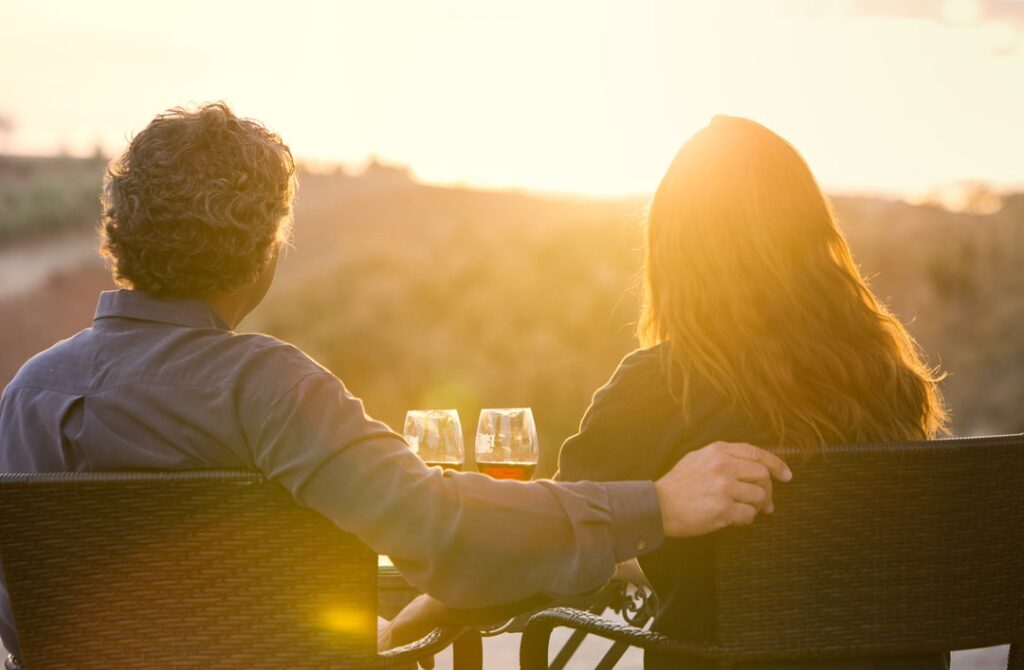
The most memorable wine tours are never about speed or volume; they’re about intention. They’re shaped around access to the right people, time to listen, and space to let each place reveal itself at its own pace. When a journey is thoughtfully designed, tastings become conversations, cellar doors open more easily, and regions unfold with context rather than noise.
Choosing where to go and how to experience it matters as much as the wine itself. Whether you’re drawn to iconic regions every wine lover should experience at least once, or refining your choices based on the styles and terroirs that truly move you, a curated approach transforms travel into something deeply personal. The best wine tours don’t rush you through vineyards, but invite you in.
FAQs – Wine Tour Tips
A few questions come up time and again when travelers start planning a wine tour. Here’s a recap of what experienced wine travelers know to be true.
Is it okay to spit wine during a tasting?
Yes, absolutely. Spitting is standard practice among sommeliers and winemakers, especially during multi-winery days. It allows you to stay focused, evaluate wines properly, and enjoy the full experience without fatigue.
Do you tip at wineries in Europe?
Often, tipping is not expected at standard tastings. That said, in private or extended experiences, especially those led by a winemaker or dedicated host, a discreet tip is appreciated and well received.
How many wineries should you visit in one day?
Two is ideal. Three is the upper limit if you want to remain relaxed and attentive. Fewer visits allow for a more memorable experience.
What should I avoid wearing on a wine tour?
High heels, strong perfume, and white clothing. Uneven ground, delicate aromas, and the inevitability of a stray drop of wine make comfort, neutrality, and practicality essential.
Are luxury wine tours worth it?
For the access, pacing, personalization, and storytelling they offer, absolutely.


