

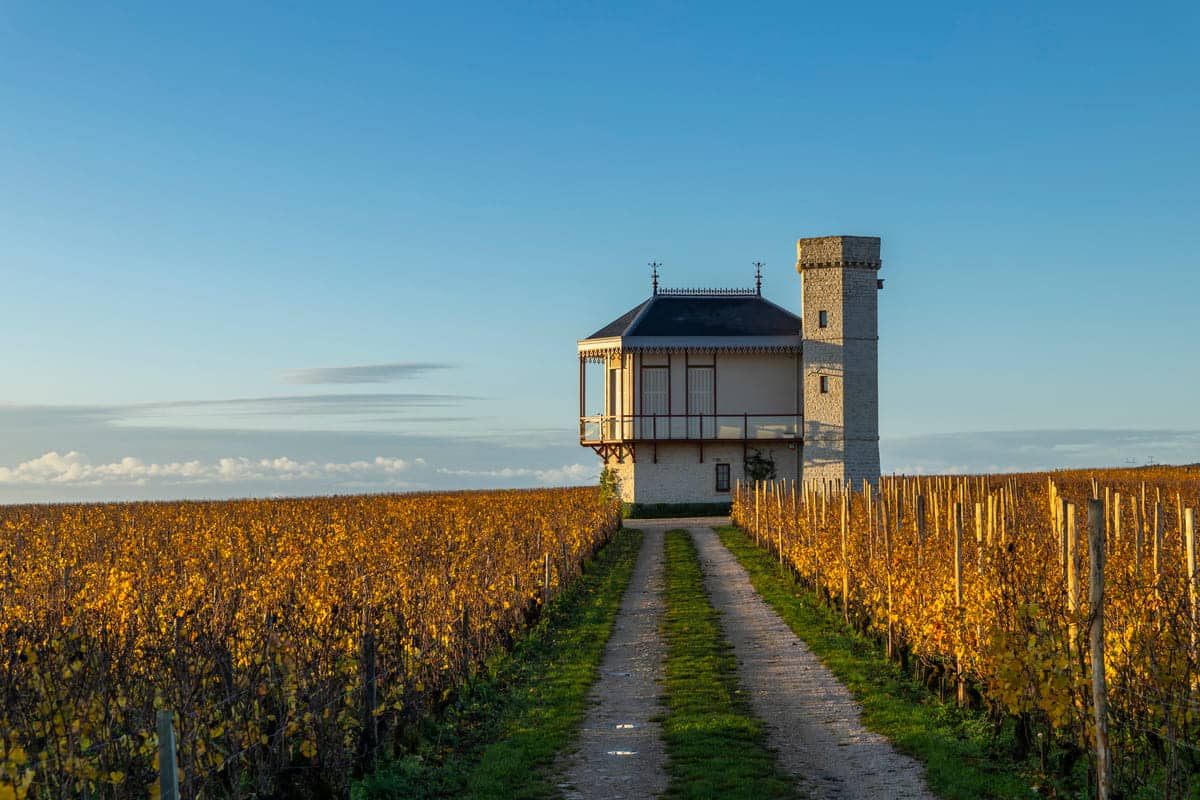
Burgundy is the world’s most precise wine region. Not the biggest, not the trendiest, but for sure the most specific. The best bottles produced here correspond to a precise address: a particular plot, a particular orientation, a particular depth of ancient limestone soil. This specificity is what makes wine tasting in Burgundy unlike anywhere else.
It’s also what makes it feel, from the outside, impossibly complicated. The names are long. The classification system seems obtuse at first. The best domaines don’t have public booking pages, and aren’t listed on mass-market wine tour websites.
This guide cuts through the confusion. Whether you’re planning your first wine trip to France or looking to go deeper into Burgundy than you have before, read on for everything you need to experience it properly — and privately.
Burgundy Is Not Complicated — It’s Just Specific
Wine tasting in Burgundy is unlike anywhere else because with monovarietal cultivation, each glass can express the terroir of small, specific plots of soil.
Burgundy has roughly 1,247 named vineyard plots, called climats, each with its own terroir. That degree of specificity is what makes every glass here unlike wine produced anywhere else on earth.
The climat system can feel overwhelming from the outside, with so many to remember, a layered classification system, and a map that looks like someone sprinkled a bag of place names across the Burgundy hills.
This guide is not about where to buy a bottle. It’s about how to experience Burgundy and its best villages, vineyards, tables, and the cellars that most visitors never see.
Before the wine, start with the land.
The Five Burgundy Wine Regions — What Each One Represents
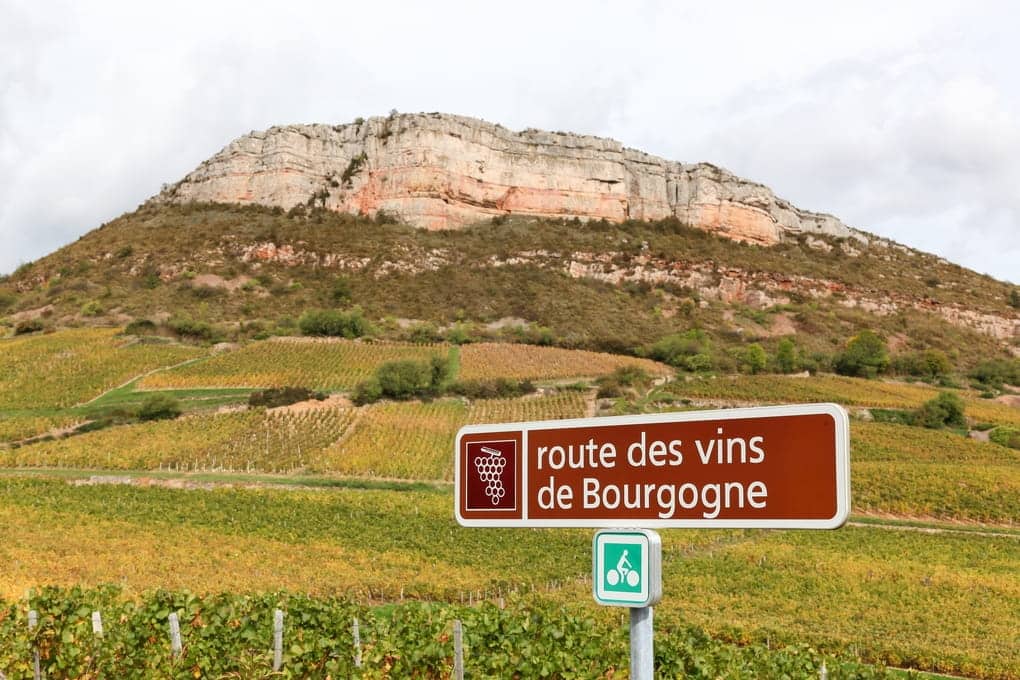
Burgundy is not a monolith. It’s a 250-kilometer ribbon of vineyards stretching from Chablis in the north to the Mâconnais in the south — each zone producing wines that taste entirely different from its neighbors.
- Chablis — The Mineral Gateway: Ancient Kimmeridgian limestone seabeds; 100% Chardonnay; unoaked to lightly oaked. Flint, oyster shell, fresh lemon. Two hours from Paris by TGV — a natural first stop before travelling south. For more on planning your route, see Travels in France: The Road to Burgundy
- Côte de Nuits — The Red Ribbon: A narrow southeast facing strip north of Beaune. Home to nearly every Burgundy Grand Cru red wine. Power, structure, extraordinary perfume. The most coveted Pinot Noir in Burgundy — and the least publicly accessible.
- Côte de Beaune — The Golden Slopes: The global benchmark for Chardonnay. Meursault, Puligny-Montrachet, Chassagne-Montrachet. Also, the silk-textured reds of Pommard and Volnay. More visitor accessible than the Côte de Nuits.
- Côte Chalonnaise — The Insider’s Secret: Often overlooked. Genuinely high-value terroir at a fraction of the Côte d’Or price. Mercurey, Givry, Rully. The most ‘local-feeling’ stretch of the whole region.
- Mâconnais — The Generous South: Warmer, more approachable Chardonnay. Pouilly-Fuissé, Saint-Véran, Mâcon-Villages. Gateway to Lyon and the Northern Rhône — the natural continuation of an Oenotated private journey.
Village, Premier Cru, Grand Cru — How Burgundy’s Classification System Works
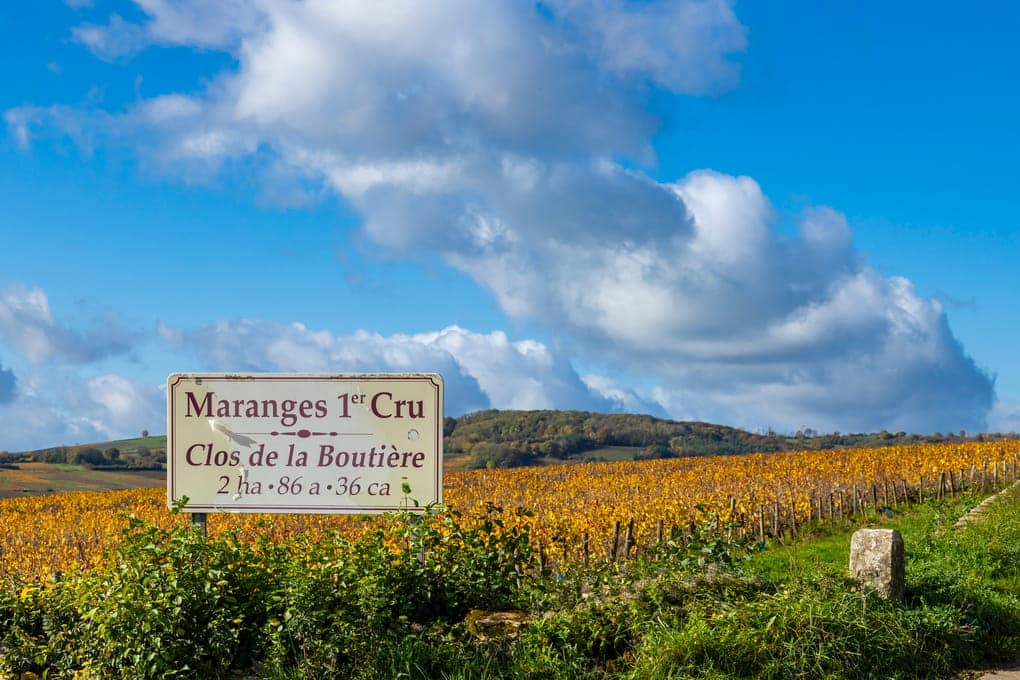
The Burgundy classification is one of the most misunderstood things in wine, but one of the most logical, once you see what it is: a centuries-long observation of which parcels of land consistently produce the finest wine, codified into law.
| Classification | What It Means | Feeling in the Glass | Visitor Access |
| Village | Wine named for special villages known for quality. There are 44 village appellations with this classification. | Terroir expressive wines at good value for the best Burgundies. | Open / Walk-in |
| Premier Cru | Wine from a classified plot, usually mid-hillside within a village appellation. ~662 exist across Burgundy. | A step up from village wines in complexity, aromatics, and finish. | Appointment Only |
| Grand Cru | Only 33 in all of Burgundy. Considered the best plots for soil, drainage, and exposure. | Rare cellaring wines for collectors and connoisseurs. | Relationship Required |
A Village wine comes from one of the 44 best winemaking villages in Burgundy. A Premier Cru tells you it comes from the best plots within a village, called climats. A Grand Cru wine lists only the vineyard’s name, not the village from which it comes.
- 33 Grand Cru appellations exist in all of Burgundy. The label carries the vineyard name alone, no village. That absence is itself a mark of prestige.
- ~662 Premier Cru vineyards across the region. The sweet spot for most private itineraries: profound terroir expression, still attainable by appointment.
- Grand Cru access is relationship-gated. Plan 6–12 months ahead and engage an operator with insider access.
Five Emblematic Villages That Define Burgundy
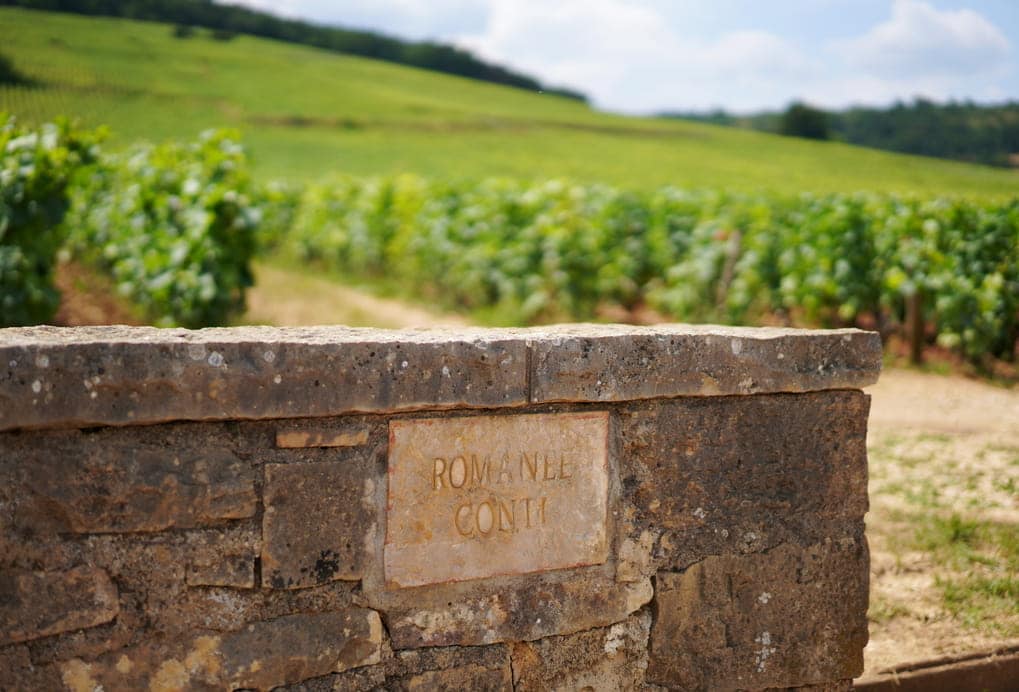
Each village in Burgundy has a personality as distinct as the wine that carries its name. These five belong on every serious private itinerary — and each rewards a different kind of visit.
- Gevrey-Chambertin — “The King”: Nine Grand Crus. Unmatched weight and structure. The village is small, entirely focused on its vineyards. The energy lives in the cellars, not on the high street. The village belongs to the vignerons.
- Chambolle-Musigny — “Lace and Silk”: Perfumed, silky, age-worth Côte de Nuits Pinot Noir. Grand Crus: Musigny and Bonnes-Mares. The road between the village and vines is one of the most beautiful walks in Burgundy wine country.
- Vosne-Romanée — “Hallowed Ground”: Home to Domaine de la Romanée-Conti, the most rarified estate in Burgundy. The village is quiet, almost austere. DRC’s cellar is closed to visitors, but the Grand Cru vineyard slope can be read from the road.
- Meursault — “The Generous Host”: White Burgundy’s most welcoming village. Rich, nutty, long-finish Chardonnays. Several estates offer regular tastings. The annual Paulée de Meursault is one of the wine world’s unmissable events.
- Puligny-Montrachet — “The Pinnacle”: Home to Le Montrachet, widely considered the world’s greatest white wine vineyard. Quiet, meditative. Domaine Leflaive produces Grand Crus of extraordinary purity here, by introduction only.
The Best Domaines to Visit in Burgundy — and How to Actually Get In
Burgundy has hundreds of individual wineries. The question is not which ones make good wine, since most do in the best appellations. The question is which domaines you can actually visit, and what that experience looks like.
Below is a curated list (not exhaustive), organized by access reality rather than prestige ranking. The most celebrated names sit in the third tier — not simply because they are exclusive, but because when possible, visits to these producers are among the finest wine experiences available anywhere.
Tier 1 — Visitor-Facing: Négociant Houses in Beaune
These estates offer structured visitor programmes including tastings, cellar tours by appointment, and well-presented introductions to Burgundy’s appellation system. An excellent anchor for any itinerary, particularly for first-time visitors.
- Bouchard Père & Fils (Beaune): One of Burgundy’s oldest négociant houses, with a superb visitor center in Beaune’s historic Château de Beaune. A wide range from Bourgogne to Premier Cru. Walk-in tastings available; private cellar experiences by appointment.
- Joseph Drouhin (Beaune): Highly regarded négociant with a strong commitment to organic farming. Excellent guided visits through their historic cellars, by appointment. A consistently reliable first introduction to Burgundy’s breadth.
- Louis Jadot (Beaune): The region’s largest quality négociant. Visitor-friendly, wide portfolio, a well-run visitor experience. Particularly strong on Côte de Beaune whites and Gevrey reds.
Tier 2 — Appointment Required: Independent Domaines Open to Serious Visitors
These are independent estate producers who welcome committed visitors by advance appointment. They reward preparation, so arrive knowing what you want to taste and why you are interested in their specific wines.
- Domaine Faiveley (Nuits-Saint-Georges): One of the Côte de Nuits’ most respected estate producers. Strong Premier and Grand Cru reds from Gevrey, Chambolle, and Nuits-Saint-Georges. Appointment required; 4–6 weeks’ notice in spring/summer.
- Pierre-Yves Colin-Morey (Saint-Aubin): Among the most talked-about names in white Burgundy — precise, mineral, searingly good Chassagne-Montrachet and Puligny. A growing reputation means appointments need to be secured months ahead.
- Domaine Rossignol-Trapet (Gevrey-Chambertin): Biodynamic estate with Grand Cru holdings in Chambertin and Latricières-Chambertin. More visitor-accessible than their Grand Cru neighbours. A strong bridge between Tier 2 access and Tier 3 quality.
Tier 3 — Relationship Required: The Cellars Most Travelers Never See
These are the estates whose names appear on the labels of wines that define Burgundy’s reputation. Access is not impossible, but it is not available through a cold inquiry. It comes through introductions that have been earned over the years.
- Armand Rousseau (Gevrey-Chambertin): The benchmark for Gevrey Grand Crus. Holdings include Chambertin and Clos Saint-Jacques. A visit here is a conversation about the philosophy of terroir with one of Burgundy’s most thoughtful families. Not publicly accessible.
- Domaine Leflaive (Puligny-Montrachet): Burgundy’s most celebrated biodynamic white wine estate. Premier and Grand Cru Chardonnays of extraordinary purity. The cellar and winery reflect their sustainable philosophy throughout. Access exclusively through trusted relationships.
- Jacques-Frédéric Mugnier (Chambolle-Musigny): Produces some of the most precise and perfumed Chambolle available. Grand Cru Musigny that needs a decade. A small, private operation that takes its visits seriously — as does anyone fortunate enough to have one.
- Méo-Camuzet (Vosne-Romanée): Among the most approachable of the Vosne-Romanée top tier for relationship-based visitors. Holdings span Grand Crus in Vosne, Clos Vougeot, and Corton. An exceptional introduction to what the Côte de Nuits is capable of at its peak.
- Domaine de la Romanée-Conti (Vosne-Romanée): The most scrutinised estate in the world. DRC’s cellar is closed to visitors — even for most of the trade. Worth noting because the vineyards (Romanée-Conti, La Tâche, Richebourg) can be visited on foot, and understanding their geography on the ground deepens every other tasting experience in the region.
→ Want private access to these domaines? See how Oenotated designs Burgundy private journeys — oenotatedtravel.com |
Private Domaine Access — Why a Trusted Relationship Is the Only Key That Works
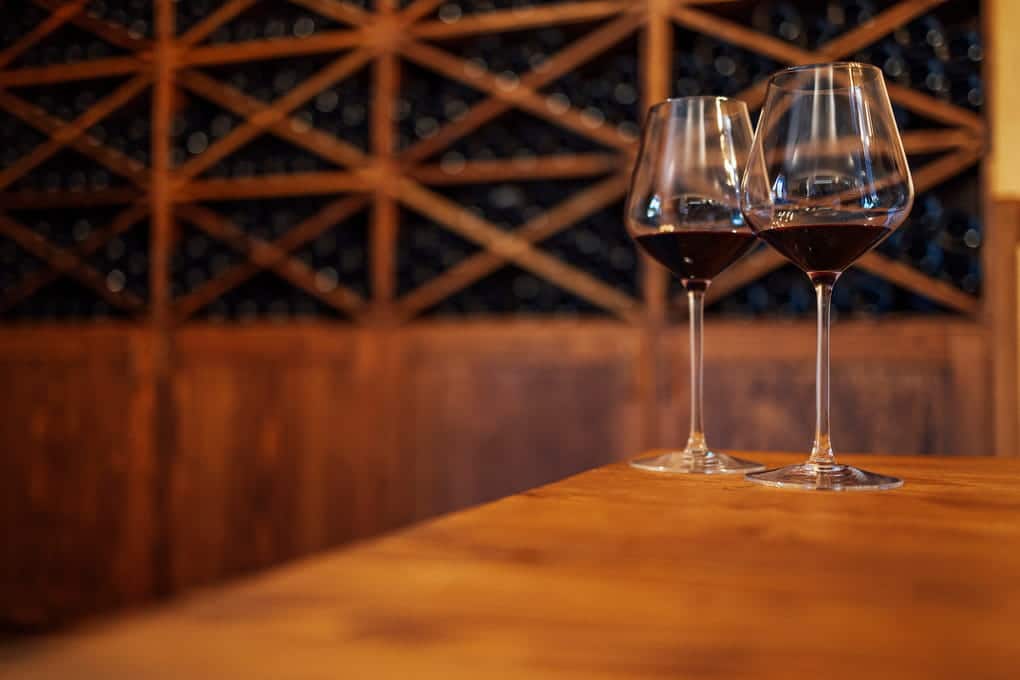
The domaines most travelers want to visit are not gatekeeping out of arrogance. Their production is small, their time is finite, and they have learned over decades that a trusted introduction produces a better visit for everyone.
- The myth of “I’ll just email them”: A cold email to Rousseau, Mugnier, or Leflaive will go unanswered. Not because they are unfriendly, but because they receive hundreds of requests each season and allocate their time through relationships they already trust.
- The reality of silent allocations: Top-tier domaines operate on closed networks of trusted partners like merchants, importers, and experienced itinerary operators who bring serious travelers, not curious tourists. These are the only doors that open.
- The Oenotated edge of earned access: A private tasting at prestigious domaines is not just about the wine. It’s a conversation with the cellar master, a walk through biodynamically-farmed vines, and entry into a world the vast majority of Burgundy visitors will never see. Oenotated’s access is built on years of bringing the right guests to the right estates.
Practical tips for independent travelers
- Contact Tier 2 domaines 6–12 weeks ahead for spring and summer visits. September–October (harvest) can be tricky, but is still possible.
- Write in French if possible. Keep the email short and specific: who you are, which wines you follow, and what dates you are visiting.
- Be clear that you want to taste and learn, not negotiate an allocation.
- For Tier 3 access, engage a tour operator with established relationships. There is no shortcut that reliably works.
Not sure where to start? Our guide to planning a luxury wine tasting trip covers everything from timing to what to expect at a private domaine visit.
The Best Time to Visit Burgundy for Wine
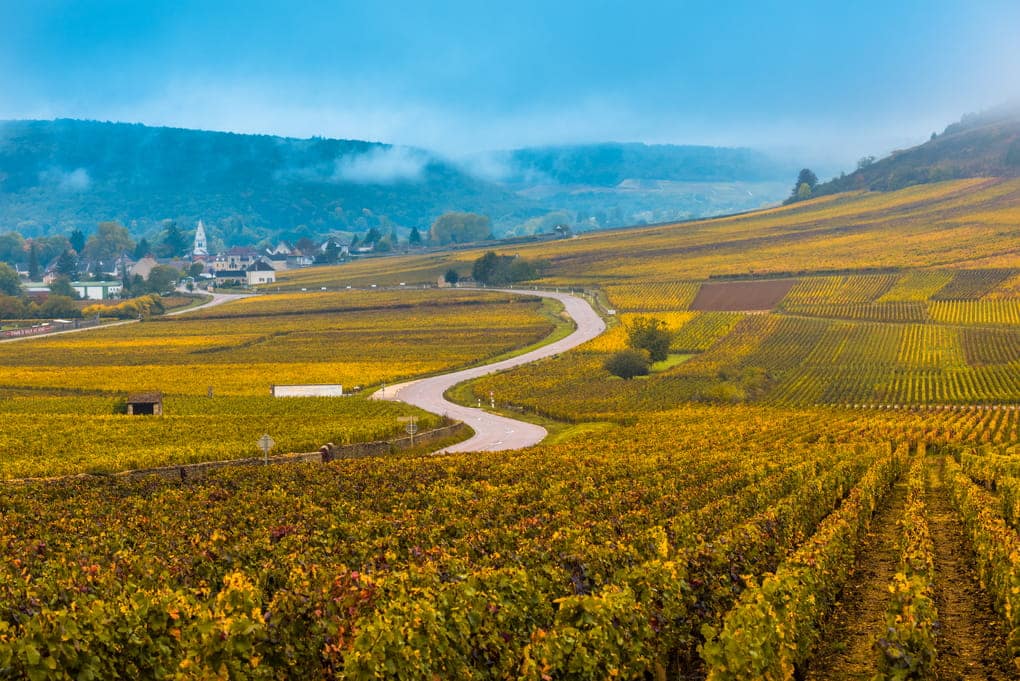
Burgundy rewards travelers who time their visit well. Each season offers a different experience, and one of them is best avoided entirely if private cellar access is your priority.
- Spring (April–June): The Insider’s Choice: New vine growth, mild weather, fewer visitors. Domaines are between harvest reflection and the summer season, more receptive to private appointments. The recommended window for first-time private-access visitors.
- Summer (July–August): Beautiful but Busy: Lush vineyards, vibrant Beaune, warm evenings. Best for a food-led itinerary. Book cellar appointments and restaurant tables at least three months ahead.
- Autumn / Harvest (Sept–Oct): The Spectacle: Golden vines and the drama of vendange. Breathtaking to witness, but domaines are fully consumed by harvest and rarely accept private visits. Arriving in the last week of October, post-harvest, is one of the best weeks of the year.
- November — Les Trois Glorieuses: Three consecutive events: Chapitre de la Confrérie (Saturday), Hospices de Beaune auction (Sunday), Paulée de Meursault (Monday). Hotels book a full year ahead. The unmissable calendar moment for serious wine travelers.
Planning around harvest seasons? See our seasonal guide to wine country by hemisphere for timing visits across multiple regions.”
Where to Eat in Beaune and Dijon — The Wine Traveler’s Shortlist
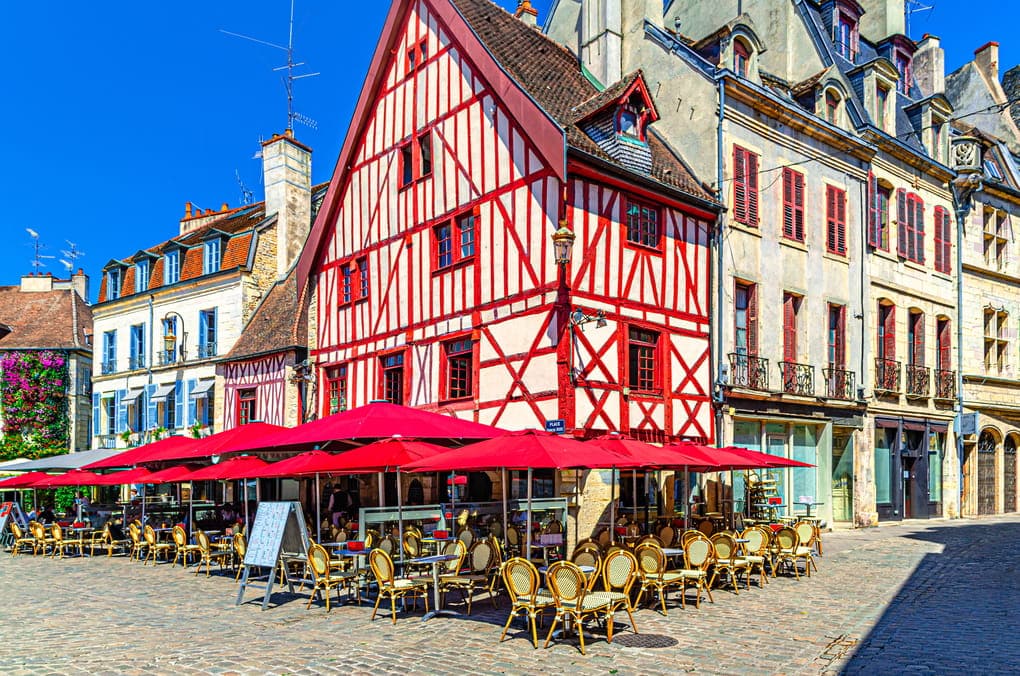
Burgundy’s cuisine is as serious as its wine, and the two are designed to be experienced together. Boeuf bourguignon, oeufs en meurette, escargots with herb butter, époisses de Bourgogne: the food of this region exists in conversation with what’s in your glass.
Beaune — The Heart of the Wine Route
- The Bistro at L’Hôtel de Beaune: Classic French bistro fare in an elegant atmosphere. Famous for their roast Bresse chicken, and massive wine list.
- Ma Cuisine: The insider’s table. Small, unassuming, extraordinary wine list. This is where serious wine travelers eat. Reserve far in advance.
- Caves Madeleine: Reliable bistro in the old town. Strong Burgundy wines selection. A dependable choice for a post-cellar lunch.
- Saturday morning market (Place Carnot): Unmissable. Local cheeses, charcuterie, and honey. Ideal provision for a hillside picnic between domaine visits.
Dijon — The Gastronomic Capital
Dijon sits 45 minutes north of Beaune and deserves at least a half-day. The gastronomic register here is entirely different — mustard, pain d’épices, cassis, brasseries with serious wine lists.
- Restaurant William Frachot: Consistently one of France’s finest tables. You’ll need to book months ahead. A must for any serious culinary private journey.
- La Cité internationale de la gastronomie et du vin: A Dijon museum dedicated to French gastronomy and wine, with multiple restaurants and a wine bar offering over 250 wines by the glass.
The Oenotated Burgundy & Northern Rhône Wine Tour
Everything we’ve covered in this Burgundy guide — private tastings, vineyard walks, and Burgundy cuisine are featured in our Food & Wine Tour in Burgundy and the Northern Rhône.
From Beaune, the journey continues south through Lyon — France’s gastronomic capital, and into the Northern Rhône. Hermitage, Côte-Rôtie, Condrieu: the shift from Pinot Noir to Syrah is one of the most dramatic stylistic transitions in French wine. Same latitude, entirely different terroir and profiles, perfect to experience together in a single journey.
Tour architecture — private cellar appointments, expert oenologist guides, restaurant reservations in Beaune, Lyon, and the Rhône, elegant accommodations are handled entirely by us. All you need to do is bring your curiosity.
Ready to experience Burgundy properly?
|
Frequently Asked Questions About Wine Tasting in Burgundy
What wine is Burgundy known for?
Burgundy is best known for two grapes: Pinot Noir (reds) and Chardonnay (whites). The wines are defined by their terroir specificity, elegance, and extraordinary ageing potential. Less common, but also good, Burgundy varietals include white grapes Aligoté and Pinot Gris.
Is Burgundy wine the same as Pinot Noir?
Red Burgundy (Bourgogne Rouge) is made exclusively from Pinot Noir, but Burgundy Pinot Noir is more about terroir than the grape itself. The climate, limestone-clay soils, and centuries of viticultural knowledge are fundamental to Burgundy Pinot Noir’s expression.
What is a Grand Cru in Burgundy?
A Grand Cru is one of only 33 classified vineyard appellations in Burgundy, recognised for consistently producing the region’s finest wines. The label carries the vineyard name alone — no village reference — which is itself a mark of standing.
What are the best wineries to visit in Burgundy?
The best Burgundy domaines to visit depend entirely on your access level. Négociant houses like Bouchard Père & Fils and Joseph Drouhin are excellent open-visit options. For top-tier independent estates like Rousseau, Leflaive, and Mugnier, access requires advance planning through a trusted operator.
How do I get a private tasting at a Burgundy domaine?
Top-tier Burgundy domaines operate on relationship-based access; a cold inquiry is unlikely to succeed. The most reliable route is through a trusted introduction via a wine merchant, import partner, or an experienced private tour operator like Oenotated Travel.
How many days do I need in Burgundy?
At least 3 days to visit key villages and enjoy private tastings in the Côte de Nuits and Côte de Beaune. The Oenotated Burgundy & Northern Rhône private journey is 7 days, which is the optimal length to experience both regions with the depth they deserve.
What is the best time to visit Burgundy for wine?
Spring (April–June) and Fall (late October) offer the best combination of domaine accessibility, mild weather, and lower visitor numbers. November during Les Trois Glorieuses is unmissable for serious wine travelers but requires planning a year ahead.
Can I visit the top Burgundy domaines without a guide?
You can walk the villages and read the vineyard signs, but the cellars of the estates that most travelers want to see require relationship-based access. Our private itinerary is specifically designed to provide exactly this access.


