

Read on for our tips about planning a luxury wine tasting trip, and how modern luxury is less about ticking off famous names and more about curating moments that feel personal and deeply connected to place. If you’re starting to research a wine tasting trip, you couldn’t have come to a better place.
The most memorable journeys unfold behind closed cellar doors, over glasses poured by the people who made the wine. This guide is an insider’s approach to wine travel designed around the luxury of private tastings, boutique wineries, and access that turns a visit into an experience. With the right planning, a wine journey becomes not just a trip, but a collection of unforgettable moments across the world’s most storied vineyards.
What Makes a Wine Tasting Trip Truly “Luxury”?
Luxury in wine travel isn’t defined by price tags or famous labels. It is defined by access, intention, and pace. The difference becomes clear the moment you step away from group tours and public tasting rooms and into spaces reserved by appointment only, where the rhythm is relaxed and conversations deepen.
A refined wine journey is shaped by private tastings rather than crowded rooms, by boutique estates where production is measured in passion rather than volume, and by direct exchanges with winemakers, estate managers, or the families who have shaped the land for generations. It follows a slow-travel rhythm, no more than two wineries per day, allowing room for vineyard walks, relaxed lunches, and wines to be savored, not rushed.
Thoughtfully chosen accommodations close to the vineyards keep the experience immersive, while appropriate logistics like private drivers and expert guides ensure that nothing interrupts your pleasure on the journey. Attention to detail is the distinction that separates a wine tour from a luxury wine experience, and it’s the foundation on which exceptional wine travel is built.
Step One — Define Your Wine Identity Before You Plan Anything
Before flights are booked or wineries shortlisted, the most important part of planning begins with you. A luxury wine journey is at its best when it reflects how and what you like to drink and what you’re curious about.
Choose Your Wine Style (Not Just the Destination)
Many travelers start with a place, but seasoned wine travelers start with a philosophy. Old World wines tend to emphasize terroir and tradition, while New World regions often lead with innovation and stylistic clarity. Neither is better, only different.
Consider whether you gravitate toward classic, time-tested styles or seek out experimental producers pushing boundaries. Some travelers are loyal to international grapes like Cabernet Sauvignon or Chardonnay; others are most inspired by indigenous varietals that tell a deeper story. Understanding these preferences shapes everything from which estates you visit to how tastings are structured, and naturally opens the door to exploring how wine styles vary across the world and how destinations align with your personal taste.
Align Wine Preferences With the Right Region
Not all wine regions speak the same language. Rioja, Tuscany, and Napa may all produce revered reds, but their climates, soils, and traditions create entirely different expressions in the glass. Cooler regions emphasize acidity and finesse; warmer climates lean toward ripeness. Long-established appellations follow strict rules, while others allow more creative freedom.
Matching your preferences to the right region is imperative for each tasting to feel intuitive rather than instructional. When the place, the wine, and your palate are aligned, the journey achieves greater depth and satisfaction.
Step Two — Select the Right Wine Destination (and the Right Time to Go)
Once your wine identity is clear, how to plan a wine tasting trip becomes a far easier question. Region selection becomes all about timing, access, and how a place reveals itself across the seasons. Luxury wine tasting trip considers not only where you go, but when you arrive, aligning climate, harvest rhythms, and local energy with the kind of experience you wish to have.
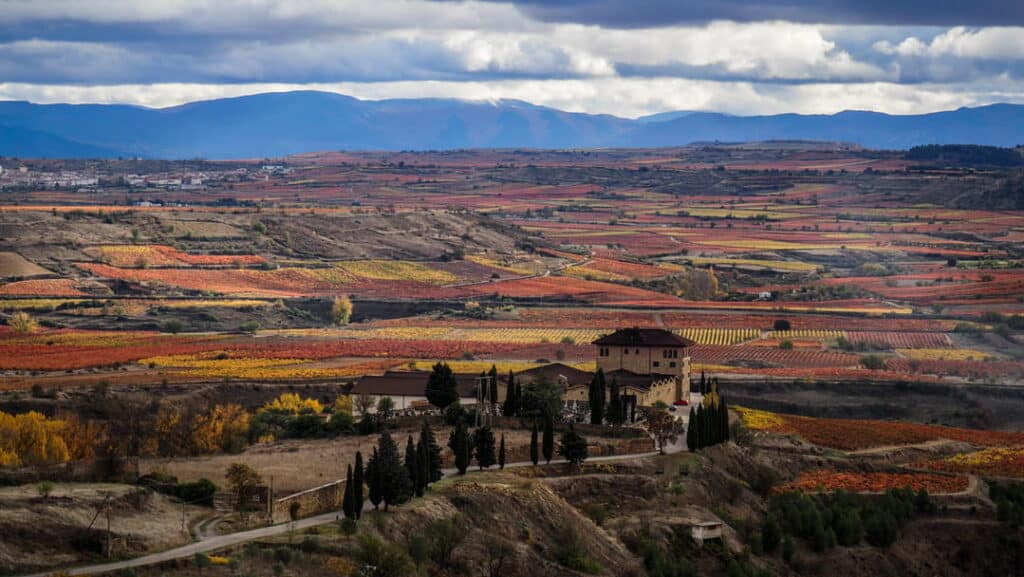
Best Wine Regions for Private & Boutique Experiences
Some regions naturally lend themselves to intimate, appointment-only visits and deeply personal encounters with producers. These destinations are defined less by crowds and more by character.
- Croatia (Dalmatian Coast, Istria) – Boutique coastal producers where tastings often feel like private gatherings, paired with sea views and centuries-old vineyards.
- France (Rhône, Provence, Loire, Bordeaux, Burgundy) – Heritage estates offering private visits that reveal the tradition behind legendary appellations.
- Italy (Piedmont, Tuscany, Sicily, Veneto, Puglia) – Family-owned wineries where tradition and regional identity are inseparable from the wine.
- Spain (Rioja, Galicia, Basque Country, Andalusia, Mallorca) – A compelling mix of old vines, contemporary vision, and relaxed tasting experiences.
- USA (Napa, Sonoma, Willamette Valley, Paso Robles) – Renowned for private cellar tastings, personality wines, and laid back luxury.
- South America (Chile, Argentina) – Dramatic landscapes, high-altitude vineyards, and a growing focus on refined, small-scale luxury.
- South Africa – An exceptional blend of world-class wine estates and majestic wildlife, offering experiences found nowhere else.
- Portugal (Douro, Dão, Alentejo, Azores) – Authentic, value-driven regions where access to producers remains refreshingly personal.
Exploring how these destinations compare and understanding what each does best helps narrow your choices.
When to Go — Harvest Season, Shoulder Season, or Off Season
Getting the timing right is the crown of planning a wine tasting trip. Each season offers a distinct rhythm, and knowing the trade-offs helps you choose an experience that matches your priorities instead of following the crowds.
- Harvest season brings undeniable energy. Vineyards are alive with activity, cellars are in motion, and tastings feel immersive and celebratory. The trade-off is popularity: schedules are tighter, winemakers are busy, and prices tend to peak.
- Shoulder season is the insider’s favorite. With harvest complete or still on the horizon, wineries have more time for private visits, conversations deepen, and the pace slows. Weather remains pleasant, landscapes are at their most photogenic, and value improves without sacrificing access.
- Off-season rewards travelers who value intimacy, fewer visitors, and flexible appointments. Cooler weather and regional downtime often mean better pricing, especially in the most popular wine regions.
Step Three — Build the Perfect Wine Tasting Itinerary
A well-designed wine itinerary shouldn’t be about how much you can fit in, but rather, about how deeply you can experience each place.
How Many Wineries Per Day Is Ideal?
Two wineries per day is the sweet spot for a luxury experience. Fewer tastings allow you to stay attentive and present. Sensory fatigue is very real; after a certain point, aromas blur and palates dull.
There’s also the question of travel time. Vineyards are rarely next door to one another, and a schedule packed with tastings often means more time in the car than in the cellar. Depth always outweighs volume.
Mixing Wine With Culture, Food, and Landscape
The most memorable wine journeys step beyond the tasting room. Thoughtfully placed lunches, whether a Michelin-starred table or a chic vineyard picnic, refresh the palate and reset the day. Time spent exploring historic towns and artisan workshops adds a layer of cultural texture to the wines you taste.
Great itineraries showcase wine country landscapes. Tastings juxtaposed with the sea, the mountains, or wildlife encounters turn a tour into a complete travel experience.
Designing a Multi-Region or Cross-Border Wine Journey
Combining regions can be especially rewarding. Cross-border itineraries reveal how history, climate, and culture shape wine on either side of a line on the map.
Journeys such as Italy–Slovenia–Croatia, Spain–Portugal, or Argentina–Chile work best when distances are respected and transitions are intentional. Each region should feel like a chapter, not a footnote, providing each wine its space.
Step Four — Private Tastings: How to Access Wineries You Can’t Book Online
This is where a wine tasting trip shifts from good to extraordinary. Many of the world’s most compelling wines are not poured in public tasting rooms, and they certainly aren’t available through last-minute bookings. Private access is the quiet marker of a luxury wine journey.
Why Boutique Wineries Don’t Accept Walk-Ins
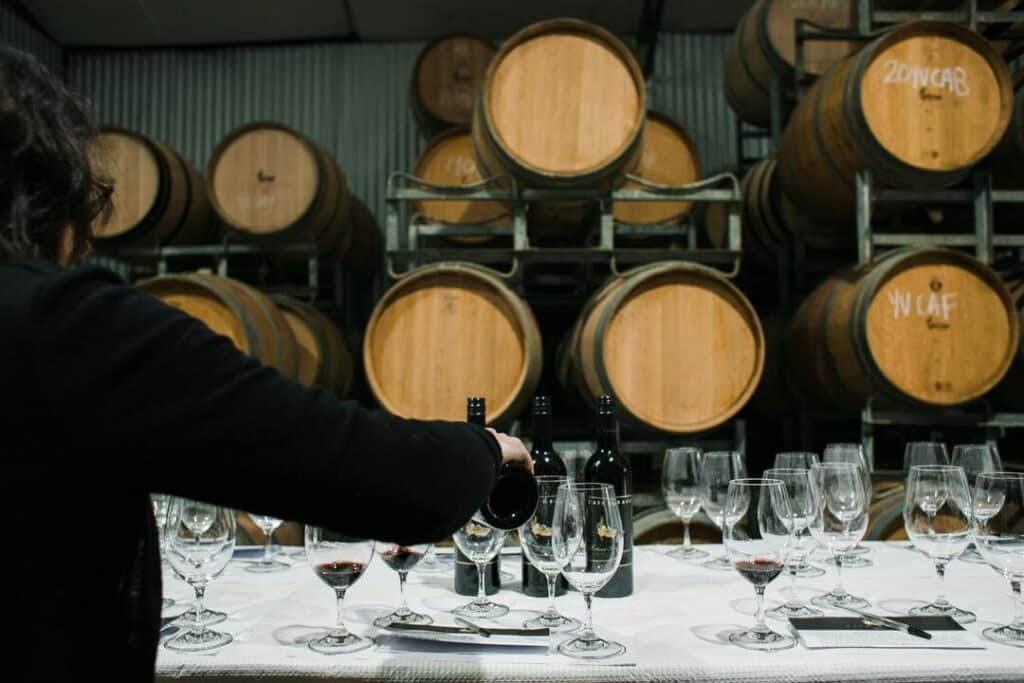
Boutique estates operate on a different rhythm than commercial wineries. Production is often limited, sometimes intentionally so, with bottles allocated long before they ever reach a shelf. Many of these wineries focus primarily on exports, private clients, or long-standing partners rather than casual visitors.
Just as important is philosophy. Small producers protect their time and craft. Tastings are personal, unhurried, and often hosted by the people who actually make the wine. That level of intimacy simply isn’t compatible with walk-ins or high visitor volume.
What a Private Tasting Actually Includes
You may find yourself sampling wines directly from the barrel, comparing library vintages that never leave the estate, or exploring a vertical tasting that reveals how a single wine evolves across decades.
Often, the experience extends into the vineyard itself. Walking the rows with the winemaker, examining the soil, discussing microclimates, and understanding how decisions made year by year move wine from a product to a living narrative.
How Luxury Wine Tour Designers Secure Access
Access is built over time. We rely on long-term relationships with wine estates and expert local guides, cultivated through trust and professional collaboration. We understand seasonal rhythms: when a winemaker is available, when the cellar is quiet, when a visit enhances rather than disrupts the work.
Alignment is equally important. The right guests are matched to the right estates, ensuring shared values, genuine curiosity, and meaningful exchange. This thoughtful pairing is what opens doors that remain closed to the general public, and what makes private tastings feel less like appointments and more like invitations.
Step Five — Transportation, Accommodation, and Seamless Logistics
Luxury in wine travel is rarely splashy. It’s felt in the moments you don’t have to stress about – how you get around, where you sleep, and how effortlessly everything flows between experiences.
Why Chauffeured Transport Is Ideal
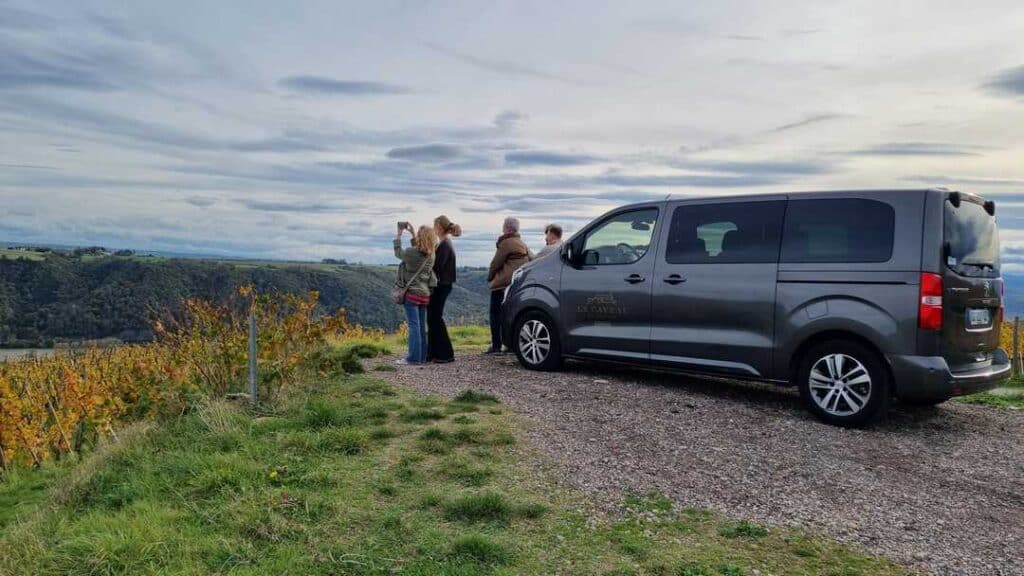
Chauffeured transport ensures safety first, but also timing, flexibility, and relaxation. You can taste without counting glasses and move between estates without the fatigue of navigating unfamiliar roads in a foreign language.
Experienced drivers understand winery pacing. They know when to arrive, how to wait discreetly, and have the right passes and permits for toll roads and restricted access in pedestrianized urban zones. Having a driver also eliminates one of travel’s most common causes of stress—getting lost and bickering over maps and directions.
Where to Stay for a Luxury Wine Experience
Where you stay impacts how you experience a region. Wine resorts allow you to attune to the slow rhythm of wine country, waking among the vines, renewing body and spirit with spa treatments and products made from wine grapes.
Luxury boutique hotels offer stylish comfort with a sense of place, with designs incorporating local materials, kitchens serving seasonal menus, and cellars stocked with regional wines.
Historic villas and countryside retreats add another layer of experience and a sense of place. These stays can add texture to the journey and deepen your understanding of the land and its story.
Luggage, Wine Shipping, and Border Rules
Planning ahead matters here. Some bottles can travel home with you, while others are better shipped, especially rare finds or larger quantities. Legal limits vary by country, and temperature control is essential to protect wine in transit.
Specialized wine guides can also coordinate wine shipping logistics on the ground, sparing you from last-minute decisions about bottles, boxes, and borders.
Luxury itineraries account for this, coordinating professional shipping, advising what to carry versus what to ship, and ensuring wines travel under proper conditions. When all is done right, your glass at home will taste exactly as it did at the estate.
Step Six — What to Wear, Bring, and Prepare for Wine Country
Luxury wine travel rewards foresight. What you wear, what you bring, and how you prepare all shape how comfortably (and confidently) you move through vineyards. The goal is simple: to feel at ease at every part of the tour, without ever feeling underdressed or out of place.
What to Wear on a Luxury Wine Tour
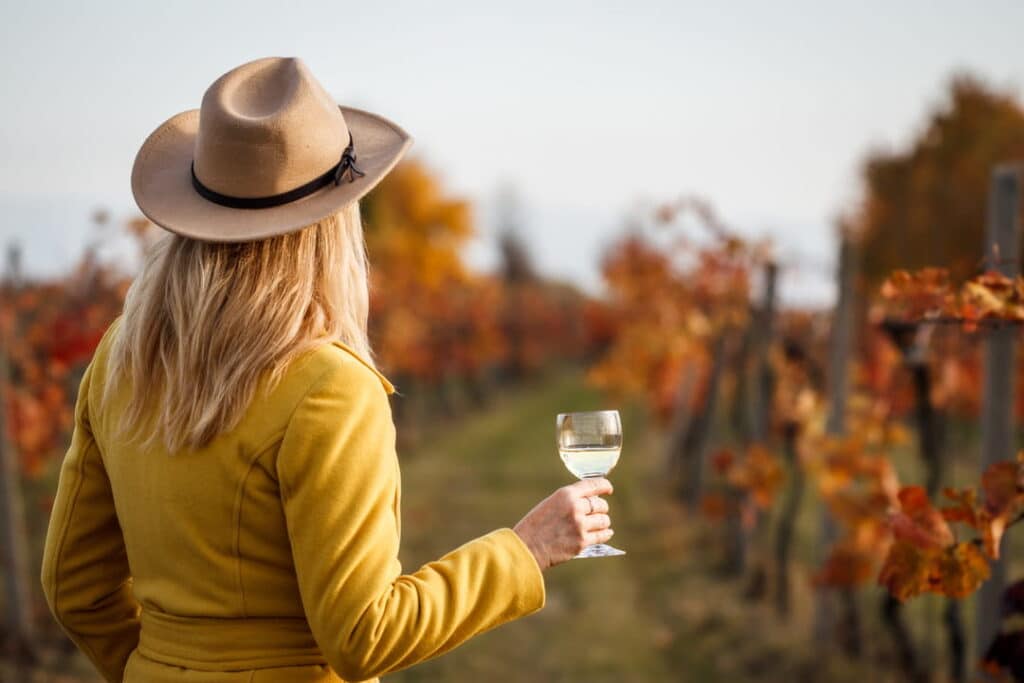
Wine country style lives in the space between polished and practical. Think elegant countryside rather than city formal or resort casual. Smart casual works for most estates, followed by thoughtful details like breathable fabrics and pieces that layer well.
Season matters. Spring and fall call for light jackets or scarves for cool cellars and breezy terraces. Summer favors linen, cotton, and sun protection, while winter invites structured coats and boots that still feel appropriate indoors.
Footwear deserves special attention. Gravel paths, vineyard rows, and stone floors demand shoes that are stable and comfortable. Don’t let your shoes distract you from the wine.
What to Bring on a Wine Tasting Trip
Make packing for wine country about intention rather than quantity. A small notebook or wine journal helps capture impressions you’ll want to remember later.
Practical essentials matter too: sunglasses, SPF, and layers for shifting temperatures between outdoors and cellars. Water is non-negotiable.
When you’re dressed appropriately and carrying only what you truly need, the logistics fade into the background. That’s when attention shifts fully to the glass and your experience.
Step Seven — How to Taste Wine Like a Local (Not a Tourist)
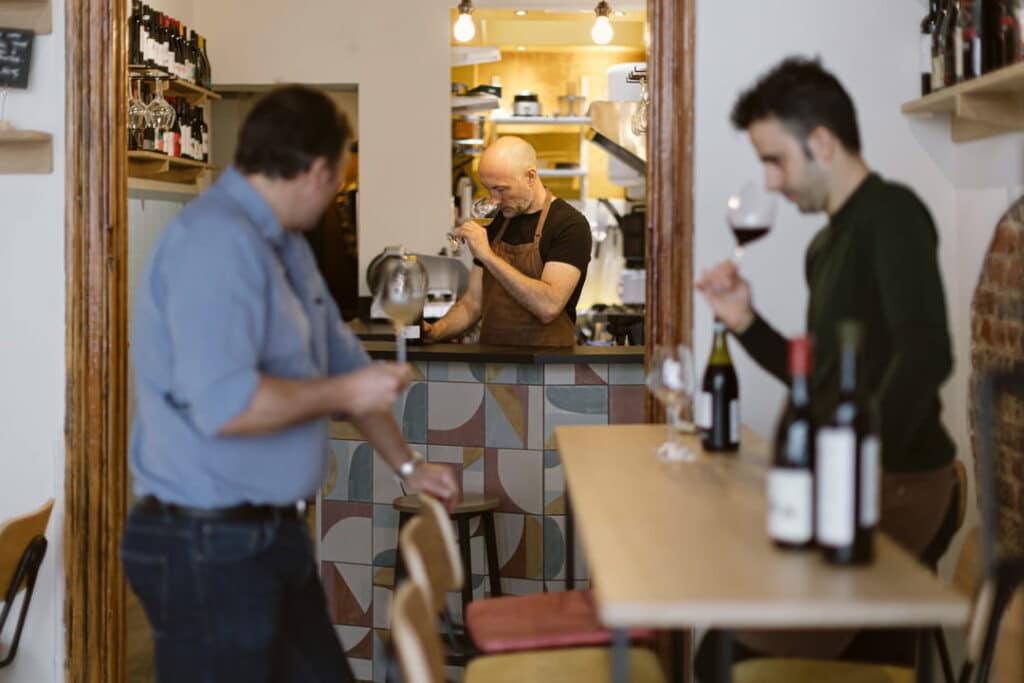
Tasting is about slowing down, paying attention, and engaging with the wine the way people who live among the vines do, with curiosity and respect.
The Universal 5-Step Wine Tasting Method (Refined for Travelers)
- Observe
Take a moment with the glass still. Notice the color and clarity. These first impressions often hint at grape variety, age, and structure.
- Swirl
A gentle swirl releases aromas and brings the wine to life. There’s no need for theatrics; controlled movement does the job.
- Smell
This is where the magic starts to show. Smell for fruity, floral, herbal, or earthy aromas, but also trust your own associations. There are no wrong answers.
- Taste
Let the wine move across your palate. Pay attention to balance: acidity, tannin, body, and alcohol working together rather than competing.
- Reflect
Does the wine invite another sip? Does it linger on the palate? Reflection is what separates drinking from tasting.
Want to dive deeper? Check out our guide on how to taste wine.
Understanding the Story Behind the Wine
Locals don’t rush to judge a wine, but take time to try to understand it. That starts with knowing how to read what’s on the bottle and what’s behind it. Labels abroad often emphasize place over grape, signaling tradition and identity rather than marketing.
Thoughtful questions about the vineyard, the region, and how the wine is typically paired with local food helps you appreciate wine in its full context. This is where wine transcends drinking and becomes culture.
Insider Tips From a Luxury Wine Tour Operator
Years of designing private wine journeys reveal patterns that guests rarely see, but always feel. Let’s go over some more details that separate a good wine trip from an exceptional one.
- Morning tastings are almost always better
Palates are fresh, cellars are calm, and winemakers are more present before the day’s tasks accumulate. Serious estates often reserve their most in-depth tastings for earlier hours.
- You’re never obligated to finish a pour
A simple, polite decline, or using the spittoon, is not only acceptable, it’s normal.
- Buy at the estate when the wine is rare or personal
Limited bottlings, library releases, or wines made only for the cellar are worth securing on the spot. For widely distributed labels, shipping later is often more practical.
- Flexibility matters more than a rigid schedule
Spontaneous invitations or a tasting that runs long because a winemaker decided to open a special bottle can’t be planned, but they can be welcomed if your itinerary allows breathing room.
- Private tours unlock the unexpected
Extended vineyard walks, impromptu barrel tastings, and indulgent meals at private tables happen when connections are authentic. Access grows when the experience isn’t just transactional.
Scenes from a Luxury Wine Tour
Luxury wine travel can take many forms, depending on whether you’re drawn to the sea, history, adventure, or innovation.
Coastal Wine & Island Living
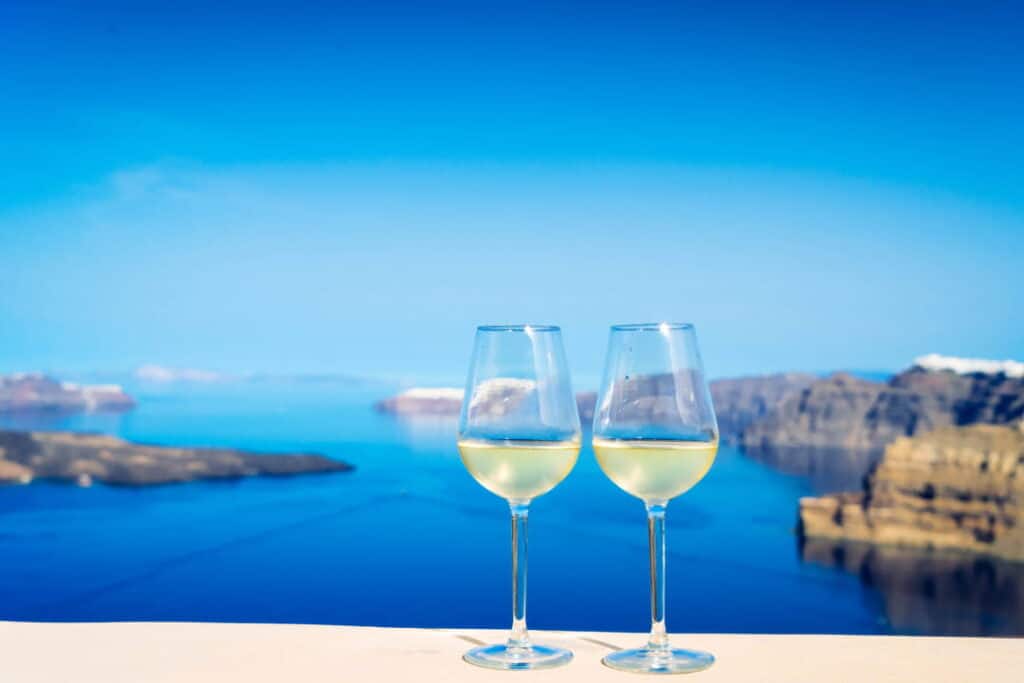
These journeys blend vineyard visits with island rhythm and maritime culture, where tastings are paired with sea breezes, fresh seafood, and unhurried afternoons. Destinations such as Croatia’s Dalmatian Coast, the Greek Cyclades, Mallorca, and Sicily are ideal for travelers who value relaxed, scenic beauty, and wines shaped by salt air and sun.
Heritage & Iconic Wine Regions
For those drawn to the deep roots of wine history, classic European regions offer an unmatched sense of continuity and tradition. France, Italy, Spain, and Germany invite travelers into historic estates, centuries-old cellars, and appellations that have shaped global wine culture, where each tasting is inseparable from legacy.
Wine + Adventure
Some of the world’s most memorable wine experiences unfold against dramatic natural backdrops. In South Africa, vineyard days can segue into safari experiences, while Argentina and Chile pair high-altitude vineyards with the vast scale of the Andes, deserts, and coastal valleys. These trips suit travelers who want wine to be part of a broader, more adventurous itinerary.
New World Icons With Private Access
In regions like Napa Valley, Sonoma, Oregon, and Central California, luxury wine travel is defined by innovation and intimacy. Appointment-only estates, private cellar tastings, and modern winemaking philosophies allow for highly personalized experiences, often with greater flexibility and direct access to the people behind the wines.
The Finest Wine Journeys Are Designed, Not Booked
Luxury wine travel lives in the details: access earned through relationships, a rhythm that allows wines and conversations to intertwine, and stories that connect what’s in the glass to the land and the people behind it.
When thoughtfully designed, a wine tasting trip becomes so much more than a sequence of tastings. It becomes insight, knowledge, and memory— a way of understanding not only a region’s wines, but its culture.
FAQs — Planning a Wine Tasting Trip
How far in advance should I plan a luxury wine tasting trip?
Ideally, luxury wine trips should be planned three to six months in advance. Many boutique wineries are appointment-only, and private tastings often depend on seasonal availability.
Is a private wine tasting worth the extra cost?
For many wine lovers, yes, because insider access and the professional expertise that make that possible are worth the extra expense. Private tastings offer unhurried pacing, deeper conversations, rare bottles, and experiences that simply aren’t available on group tours.
How many days do you need for a wine tasting trip?
A well-balanced, in-depth wine trip typically lasts seven to ten days. This allows time for meaningful tastings, cultural exploration, and free time, without overwhelming your palate or rushing through your destination.
Can beginners enjoy a luxury wine tour?
Absolutely. Luxury wine experiences are often ideal for beginners since they’re educational, personalized, and pressure-free.
What’s the difference between a wine tour and a wine tasting trip?
A typical wine tour usually follows a fixed route with group tastings, while a wine tasting trip is custom-designed around your interests. The latter emphasizes private access, flexible pacing, and immersion in food, culture, and place.
Can wine trips be fully customized around food, culture, or celebrations?
Yes. Luxury wine journeys are frequently designed around farm-to-table dining, local markets, art and history, or special occasions such as anniversaries, birthdays, or honeymoons. This allows you to turn the trip into a deeply personal experience.


